Current Location:
Can different brand starter motors be interchangeable?
2026-09-02Starter motors from different brands can sometimes be interchangeable,yet brand name alone never guarantees direct fit.Interchangeability depends on OEM part‑number cross‑reference,mechanical dimensions,electrical specifications and application parameters,instead of brand labels(Wallace&Brooks,2024).Even if two starters serve the same engine model,mismatched mechanical or electrical features will cause installation failure,gear damage or early burnout.Buyers should not assume cross‑brand compatibility merely based on vehicle or engine description.
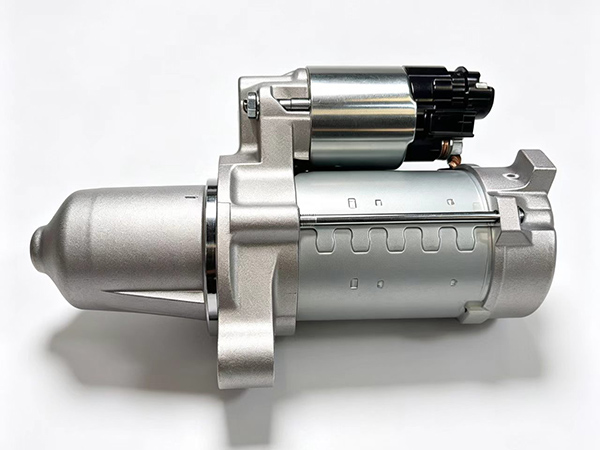
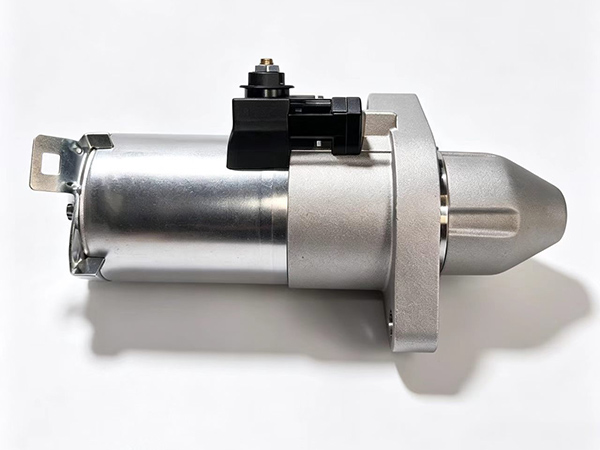
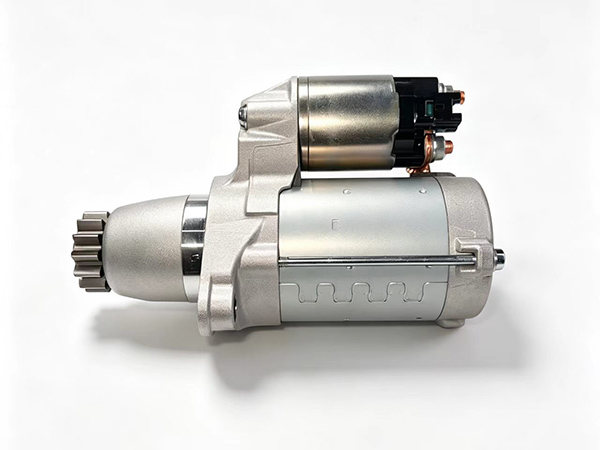
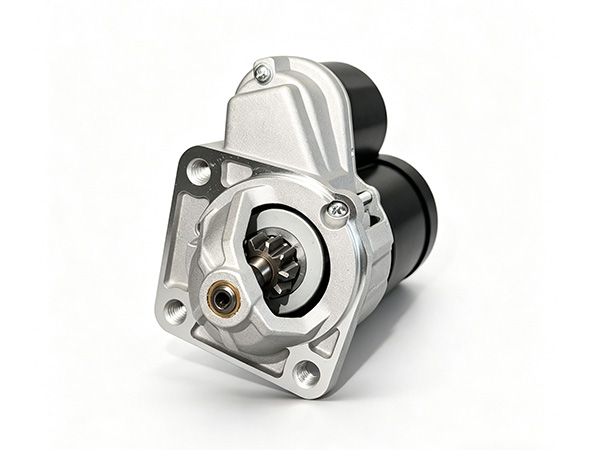
Interchangeable cross‑brand starters must satisfy several core conditions.First,they should share equivalent OEM base part numbers or confirmed interchange numbers from authoritative parts catalogs.Many aftermarket manufacturers produce drop‑in replacement units matching original OEM specifications.These units keep identical pinion tooth count and pitch,mounting flange pattern,bolt‑hole spacing,housing clocking angle and solenoid terminal layout.Voltage and rated power output also need to conform to factory requirements.When all these parameters align,starters of different brands can be swapped safely for repair and replacement.
Nevertheless,multiple hidden risks restrict cross‑brand interchange.Some aftermarket brands redesign internal structures while keeping outer housing similar.Minor differences in pinion offset depth or solenoid position are invisible at first glance but lead to poor gear meshing.This will produce grinding noise and gradually destroy the expensive flywheel ring gear.For heavy‑duty,agricultural and construction machinery,enhanced heavy‑duty versions and standard‑duty starters may look alike externally but differ in internal clutch and brush assembly.They cannot be freely interchanged even for the same engine.12‑V and 24‑V starters with similar appearance must never be swapped,as voltage mismatch will burn windings instantly.
Remanufactured starters from various brands also follow the same interchange rules.A remanufactured unit is only interchangeable if its cross‑reference number matches the original OEM part number.Brand‑specific modified starters or upgraded high‑torque models are not suitable for general interchange,even when mounting holes line up.Upgraded units may deliver excessive torque that harms stock flywheel assemblies.
Practical verification steps reduce interchange mistakes.Confirm OEM and interchange part numbers first,rather than checking brand names.Compare product photos against the original starter to inspect housing shape,mounting points and solenoid orientation.Check catalog application notes for supersession records and special conditional fit reminders.For bulk wholesale procurement,sample testing before large‑order placement effectively avoids mass incompatibility issues.Cross‑brand interchange is possible,but thorough technical validation is always mandatory,rather than casual assumption.
GB/T 7714‑2015
WALLACE D,BROOKS H.Cross‑brand interchangeability assessment for automotive and off‑highway starter‑motor assemblies[J].Journal of Mechanical Aftermarket Component Compatibility,2024,23(2):104‑118.
APA‑7th
Wallace,D.,&Brooks,H.(2024).Cross‑brand interchangeability assessment for automotive and off‑highway starter‑motor assemblies.*Journal of Mechanical Aftermarket Component Compatibility*,*23*(2),104‑118.
MLA‑9th
Wallace,Daniel,and Helen Brooks.“Cross‑Brand Interchangeability Assessment for Automotive and Off‑Highway Starter‑Motor Assemblies.”*Journal of Mechanical Aftermarket Component Compatibility*,vol.23,no.2,2024,pp.104‑118.