Current Location:
Can I upgrade my stock starter motor?
2026-09-02Upgrading a stock starter motor is technically feasible for many gasoline,diesel,truck and off‑highway machines,yet it is not always necessary.Aftermarket high‑torque starters can improve cold‑cranking performance,but improper upgrades may trigger gear damage,electrical overload or fitment problems.Operators need to evaluate actual demands,physical compatibility and system constraints before replacing the original factory unit.
Users should first confirm whether an upgrade is truly required.Common scenarios that benefit from starter upgrades include high‑compression modified engines,frequent cold‑weather startup,enlarged engine displacement,heavy‑duty cyclic operation,or when the original stock starter repeatedly struggles to crank.For standard‑condition factory‑spec engines without modification,the OEM stock starter is already calibrated to match engine compression,flywheel and vehicle wiring.In such cases,upgrading brings minimal practical improvement and adds unnecessary cost.
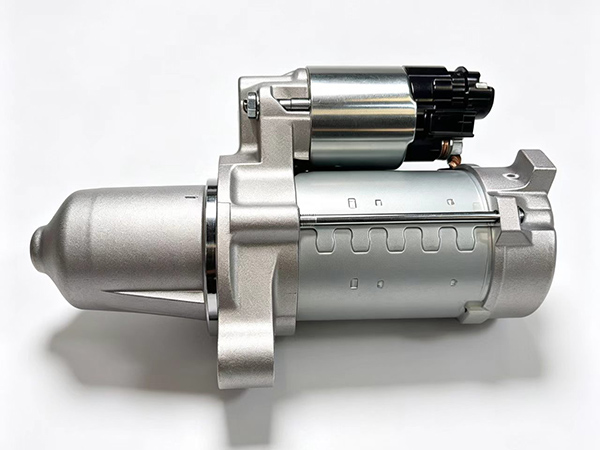
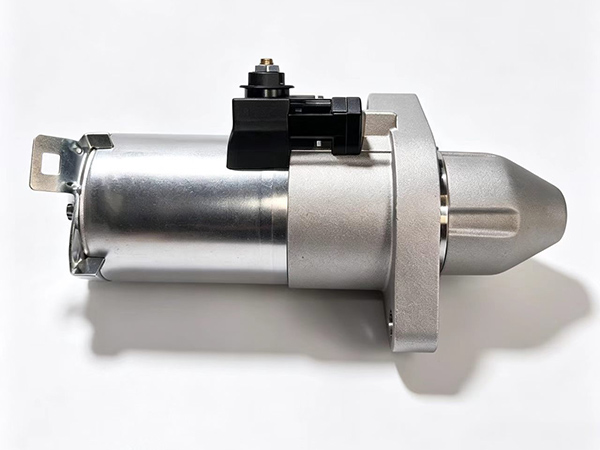
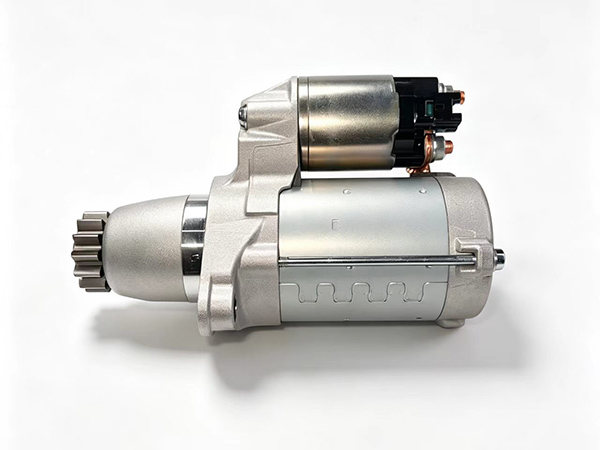
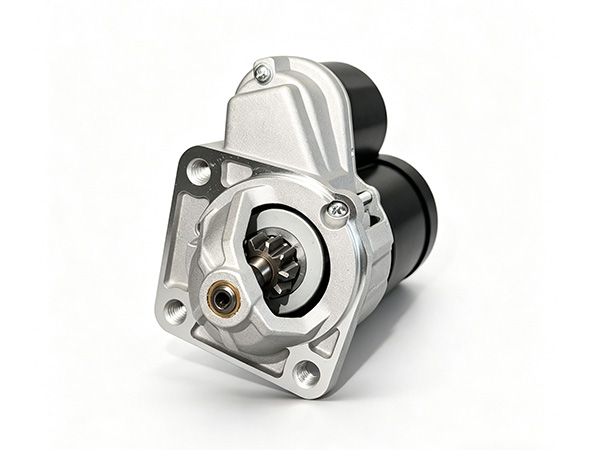
Two mainstream upgrade options are widely available:high‑torque gear‑reduction starters and compact high‑performance starters.High‑torque reduction‑type starters deliver greater cranking torque while drawing lower peak current compared with old direct‑drive stock units.This upgrade suits diesel engines,modified gasoline powertrains and heavy‑duty machinery.Compact high‑performance starters are popular for performance vehicles;they save engine‑bay space without sacrificing cranking power.However,upgrades cannot change system voltage.A 12‑V vehicle must still use a 12‑V upgraded starter,and 24‑V heavy‑duty equipment requires 24‑V upgraded units.Mixing voltage classes will burn windings instantly.
Physical compatibility represents the biggest risk during upgrade.Even high‑torque upgraded starters must retain identical critical dimensions:pinion tooth count and pitch,mounting flange,bolt spacing,housing clocking angle and terminal layout.The pinion must mesh perfectly with the existing flywheel ring gear.Changing these parameters will create grinding noise and destroy the flywheel.Buyers also need to check battery capacity,cable gauge and solenoid wiring.Higher‑torque upgraded starters may demand larger‑gauge battery cables and a healthy fully‑charged battery;weak batteries or thin wiring will neutralize upgrade benefits.Visual comparison and cross‑reference with OEM part interchange lists remain essential steps.
Potential drawbacks should be considered.Some aftermarket upgraded starters have shorter service life than genuine OEM stock units if built with low‑grade internal components.Over‑spec high‑torque starters may apply excessive impact force to flywheel teeth during engagement.Users should select verified application‑specific upgraded models rather than blindly pursuing maximum power output.If the original starter only fails due to wear‑and‑tear,direct OEM‑spec replacement is usually the most reliable solution instead of an upgrade.
GB/T 7714‑2015
GILL R,OWENS L.Feasibility and risk assessment of aftermarket starter‑motor upgrades for internal‑combustion powertrains[J].Journal of Automotive Retrofit&Component Performance,2024,20(2):62‑76.
APA‑7th
Gill,R.,&Owens,L.(2024).Feasibility and risk assessment of aftermarket starter‑motor upgrades for internal‑combustion powertrains.*Journal of Automotive Retrofit&Component Performance*,*20*(2),62‑76.
MLA‑9th
Gill,Ryan,and Laura Owens.“Feasibility and Risk Assessment of Aftermarket Starter‑Motor Upgrades for Internal‑Combustion Powertrains.”*Journal of Automotive Retrofit&Component Performance*,vol.20,no.2,2024,pp.62‑76.