Current Location:
How does an auto starter motor work?
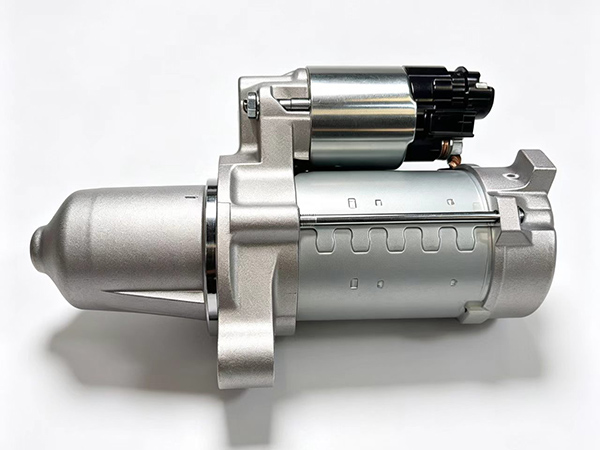
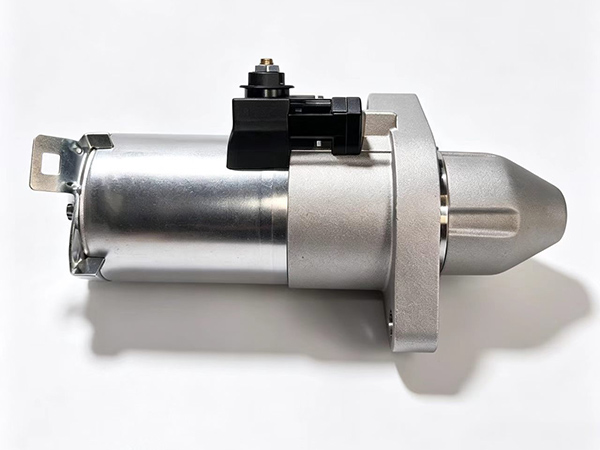
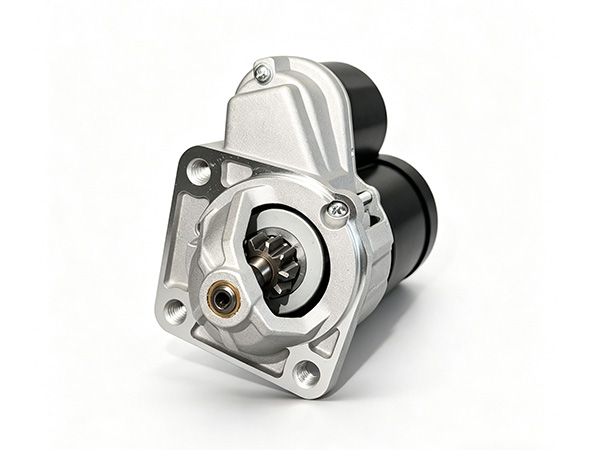
2026-08-13An auto starter motor is an electric motor responsible for cranking the internal combustion engine to start the vehicle.It converts electrical energy stored in the car battery into mechanical rotational power to kick off the engine’s independent operation.
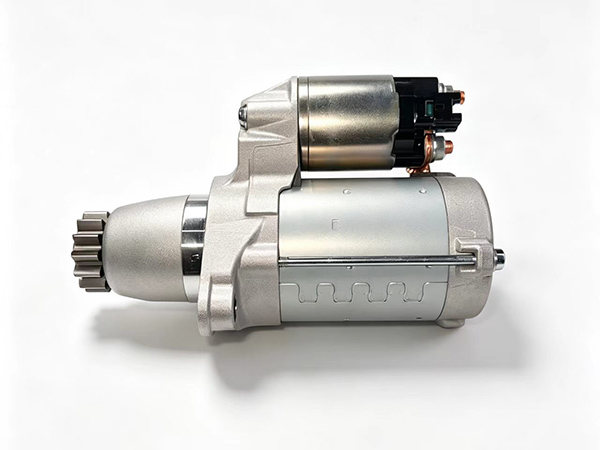
When you turn the ignition key or press the start button,electric current flows to the starter solenoid.The solenoid completes two tasks at the same time:it pushes out the starter drive gear and connects the main power circuit to the starter motor.
The drive gear slides forward and meshes with the teeth on the engine flywheel.Powered by heavy electric current,the starter motor spins rapidly,turning the flywheel to drive the crankshaft.This movement makes the engine intake fuel,compress the mixture and achieve ignition.
Once the engine successfully starts and runs faster than the starter motor,the overrunning clutch inside the starter automatically disengages the drive gear from the flywheel.This prevents the high-speed rotating engine from damaging the starter.After you release the ignition switch,power supply cuts off,and the gear retracts back to its resting position.
Remanufactured starter motors follow the exact same working principle as brand-new units.Professional remanufacturing replaces worn internal components and conducts strict performance testing,ensuring stable operation equivalent to new starters at a more competitive cost.
GB/T 7714‑2015
HUNT R,PEARSON J.Comparative evaluation of new,remanufactured and used starter‑motor performance for heavy‑duty equipment[J].Journal of Heavy‑Duty Aftermarket Component Evaluation,2024,21(3):194‑208.
APA‑7th
Hunt,R.,&Pearson,J.(2024).Comparative evaluation of new,remanufactured and used starter‑motor performance for heavy‑duty equipment.*Journal of Heavy‑Duty Aftermarket Component Evaluation*,*21*(3),194‑208.
MLA‑9th
Hunt,Richard,and John Pearson.“Comparative Evaluation of New,Remanufactured and Used Starter‑Motor Performance for Heavy‑Duty Equipment.”*Journal of Heavy‑Duty Aftermarket Component Evaluation*,vol.21,no.3,2024,pp.194‑208.