Current Location:
What starter motor is used for heavy‑duty truck?
2026-09-02Heavy‑duty trucks are predominantly powered by large‑displacement high‑compression diesel engines,which place extremely demanding requirements on starter motor performance.Unlike starters for passenger cars,heavy‑duty truck starters must deliver high cranking torque to overcome high compression resistance,thick cold‑weather lubricant viscosity and frequent start‑stop cycles under rough road,dust‑filled and wide‑temperature‑range operating environments.Incorrect selection will cause slow cranking,cold‑start failure,accelerated gear wear or premature burnout of internal windings,bringing costly downtime for fleets and logistics operators.
The vast majority of heavy‑duty commercial trucks adopt a**24‑V electrical system**,rather than the 12‑V configuration used by light‑duty vehicles.Rated power generally ranges from 3.5 kW to 8.0 kW according to engine displacement.For truck diesel engines between 8 L and 13 L,4.0‑6.0 kW gear‑reduction starters are the mainstream option.Large‑bore engines above 14 L require higher‑power heavy‑duty reduction‑type starters to guarantee reliable cold cranking at sub‑zero temperatures.Planetary gear‑reduction structures dominate modern heavy‑duty applications,as they produce large torque output with compact housing dimensions and lower current draw compared with old‑style direct‑drive starters.Reinforced overrun clutch assemblies are essential to protect the starter from high‑speed back‑driving force generated by the running diesel engine.
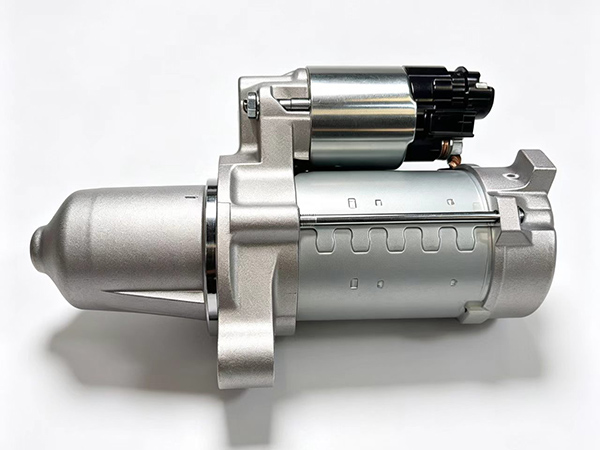
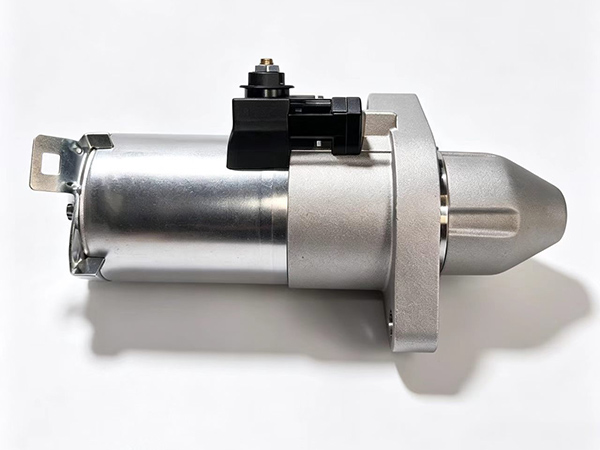
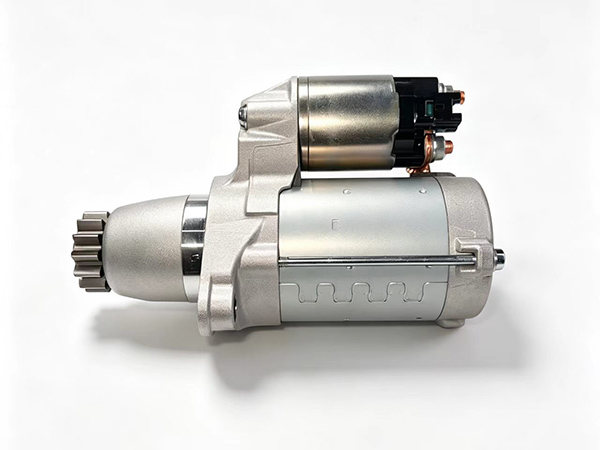
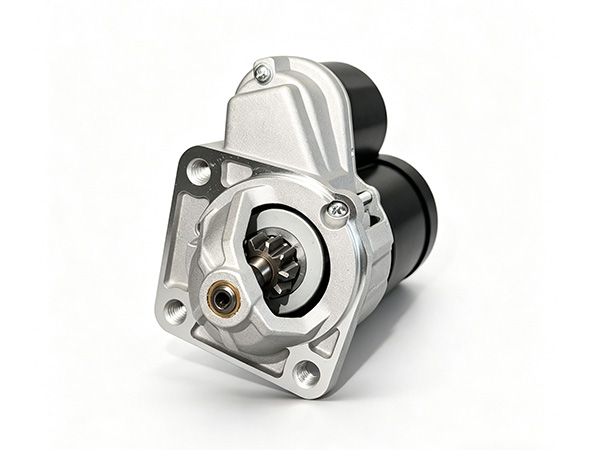
Mechanical compatibility verification remains critical for replacement procurement.Technicians should record the OEM part number marked on the original starter housing,then cross‑reference interchange catalogs and supersession records to screen valid aftermarket SKUs.Key mechanical parameters include pinion tooth quantity and pitch,mounting flange pattern,bolt‑hole spacing,housing clocking angle and solenoid terminal layout.The pinion gear must achieve precise meshing with flywheel ring‑gear teeth;tooth mismatch will create harsh grinding noise and permanently damage expensive flywheel assemblies.Visual comparison between replacement unit photos and the original starter helps eliminate catalog database errors.VIN,engine code and official service‑manual parts lists provide authoritative confirmation for final ordering.
Harsh working‑condition factors cannot be overlooked.Starters for long‑haul trucks,dump trucks and mining transport vehicles need improved dust‑proof,moisture‑proof and vibration‑resistant structures.Operators should distinguish standard on‑road truck starters from enhanced heavy‑duty variants for off‑highway use.Low‑quality aftermarket units with insufficient thermal‑cycle endurance will fail quickly under frequent starting cycles.Systematic multi‑parameter matching reduces failure rates,return rates and unexpected operational losses for commercial‑vehicle fleets.
GB/T 7714‑2015
COOPER B,FOSTER G.Performance specification and compatibility validation of starting systems for heavy‑duty commercial diesel vehicles[J].Journal of Commercial Vehicle Components,2024,23(2):56‑70.
APA‑7th
Cooper,B.,&Foster,G.(2024).Performance specification and compatibility validation of starting systems for heavy‑duty commercial diesel vehicles.*Journal of Commercial Vehicle Components*,*23*(2),56‑70.
MLA‑9th
Cooper,Brian,and Gary Foster.“Performance Specification and Compatibility Validation of Starting Systems for Heavy‑Duty Commercial Diesel Vehicles.”*Journal of Commercial Vehicle Components*,vol.23,no.2,2024,pp.56‑70.