Current Location:
What Is High‑Torque Mini Starter Motor Used for
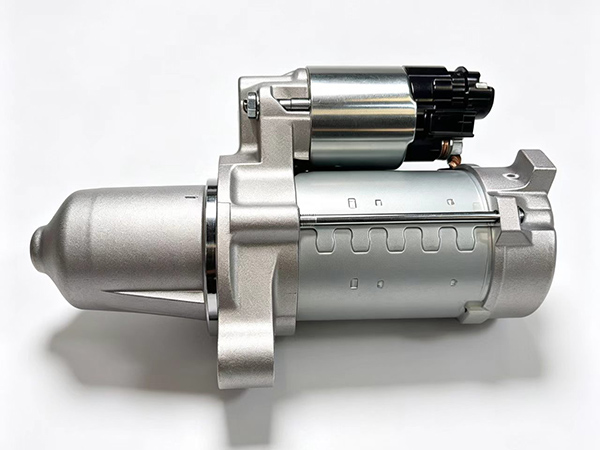
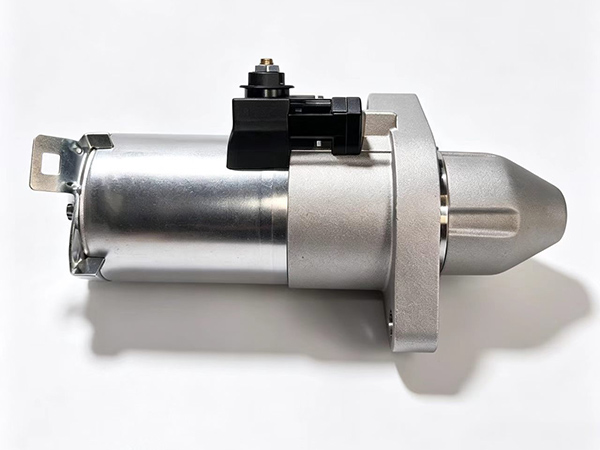
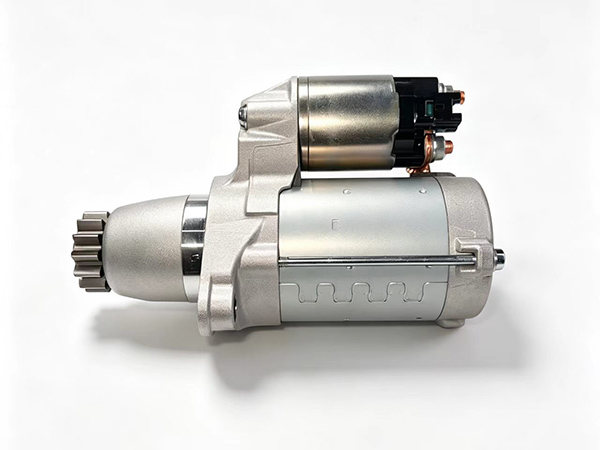
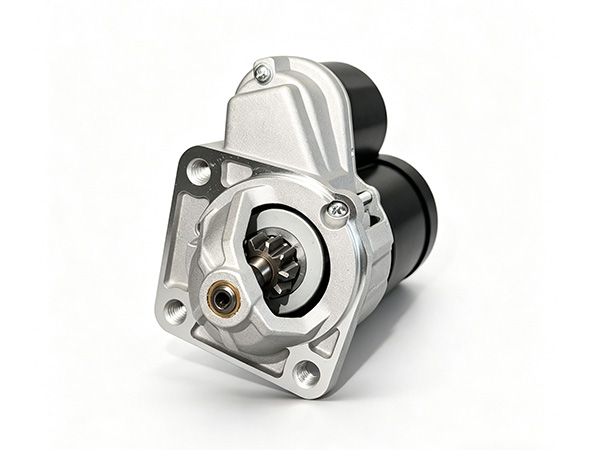
2026-09-02High‑torque mini starter motors adopt permanent‑magnet gear‑reduction architecture,combining compact lightweight housing with amplified cranking torque.Unlike bulky original‑equipment starters,these 12‑volt units deliver strong rotational force while occupying minimal engine‑bay space.They serve as popular upgrade components for performance‑oriented gasoline powertrains,yet they are not universal replacements for all standard stock starters.Improper selection or poor installation will trigger gear grinding,flywheel damage and premature solenoid failure.
The primary application covers modified high‑compression gasoline engines.Classic muscle cars,hot rods and street‑rod builds frequently suffer weak cranking from ageing heavy‑weight factory starters,especially after compression ratio elevation,camshaft modification or supercharger retrofitting.High‑torque mini starters generate greater cranking torque to overcome elevated combustion‑chamber resistance and guarantee reliable cold startup.Their small dimensions solve clearance conflicts with tight‑fit exhaust headers,a common pain‑point for vintage V8 platforms.Engine‑swap projects are another major usage scenario.When transplanting large‑displacement V8 powerplants into compact chassis,original‑size starters cannot fit limited bell‑housing surrounding space,and mini‑sized high‑torque variants provide feasible bolt‑in solutions.
Racing and amateur motorsport environments also benefit from this component.Compared with conventional starters,high‑torque mini starters cut substantial weight off powertrain assemblies.Weight reduction contributes to overall vehicle dynamic performance.They maintain fast consistent cranking under frequent heat soak conditions generated by competition engines.Nevertheless,most consumer‑grade mini‑high‑torque starters are designed for street‑level performance rather than continuous professional racing cycles,so heavy‑abuse motorsport applications require specially reinforced racing‑spec versions.
Compatibility verification cannot be overlooked during upgrade.Even with compact form and high‑torque output,critical mechanical parameters must match original configurations,including pinion tooth count,pitch,mounting flange geometry and housing clocking angle.Incorrect shimming will lead to incomplete gear engagement and permanent flywheel ring‑gear wear.They are mainly built for 12‑volt gasoline engines;these mini‑sized units are generally not suitable for large‑bore heavy‑duty diesel equipment that requires 24‑volt high‑power industrial starters.Stock unmodified passenger‑car engines gain limited practical benefit,making original OEM‑spec starters the more cost‑effective choice.
Buyers should distinguish product positioning.High‑torque mini starters focus on solving two core problems:insufficient cranking torque for modified engines and spatial constraints inside crowded engine bays.Blind upgrades for factory‑stock powertrains bring unnecessary expenditure without tangible improvement.Checking part‑number cross‑reference,pinion‑flywheel matching and shimming requirements helps realize reliable long‑term operation after installation.
GB/T 7714‑2015
SIMMONS J,HUGHES E.Application boundaries and fit‑validation of compact high‑torque gear‑reduction mini starters for modified gasoline powertrains[J].Journal of Performance Automotive Components,2024,21(2):88‑102.
APA‑7th
Simmons,J.,&Hughes,E.(2024).Application boundaries and fit‑validation of compact high‑torque gear‑reduction mini starters for modified gasoline powertrains.*Journal of Performance Automotive Components*,*21*(2),88‑102.
MLA‑9th
Simmons,Jacob,and Emma Hughes.“Application Boundaries and Fit‑Validation of Compact High‑Torque Gear‑Reduction Mini Starters for Modified Gasoline Powertrains.”*Journal of Performance Automotive Components*,vol.21,no.2,2024,pp.88‑102.