Current Location:
What is the pinion gear on a starter motor?
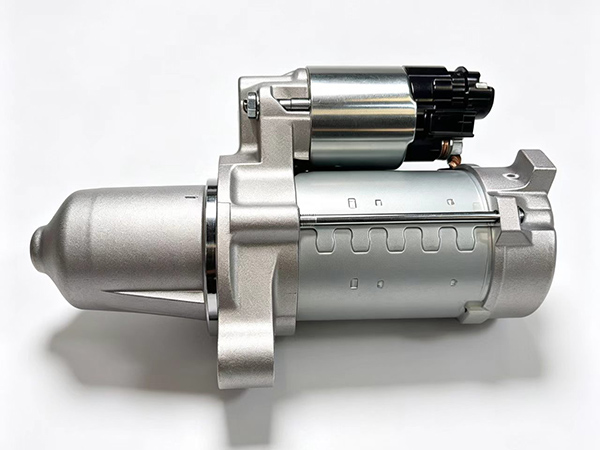
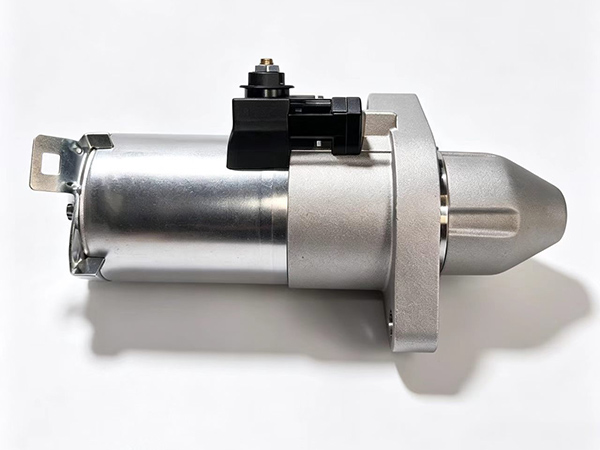
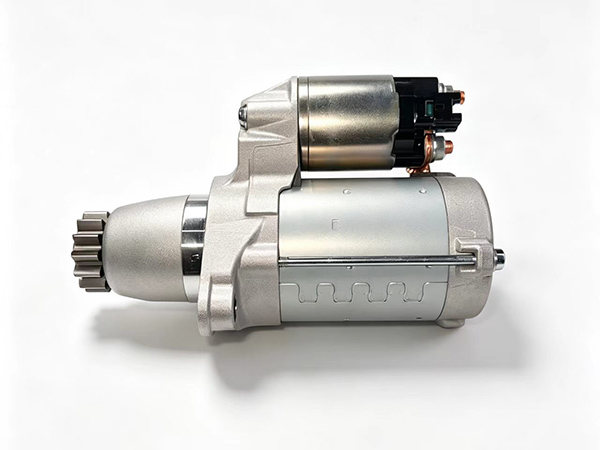
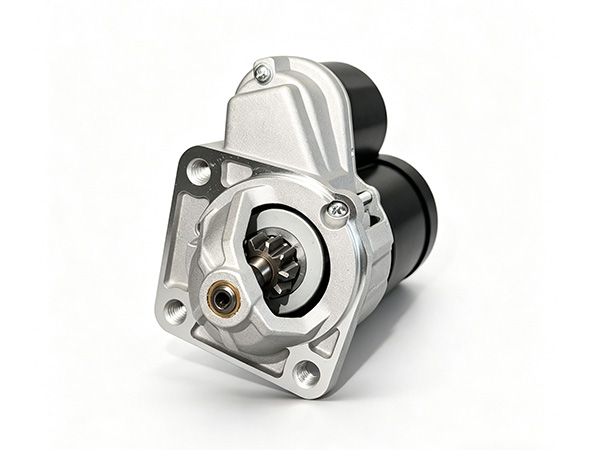
2026-09-01The pinion gear is the small‑size driving gear mounted on the output end of a starter motor,serving as the critical mechanical connection point between the starter assembly and the engine flywheel ring gear.As a key load‑bearing transmission part,it temporarily meshes with much larger flywheel teeth to transfer cranking torque and spin the engine crankshaft.Without this gear,the electric torque generated inside the starter cannot be delivered to start internal‑combustion engines.Wear,chipping or tooth damage of the pinion gear will directly lead to starting faults for passenger vehicles,trucks and heavy‑duty mechanical equipment.
Manufactured from high‑strength alloy steel,the pinion gear features a small number of precision‑machined teeth.It is assembled onto the bendix overrunning clutch,which slides along the helical splines of the starter output shaft.When the starting signal activates the solenoid,the shift lever pushes the whole pinion assembly forward.The pinion moves axially outward and locks into the big flywheel ring gear.Once meshed,the rotating pinion drives the flywheel,crankshaft and pistons to complete compression strokes for ignition.
The pinion gear only engages for a very short time during startup.After the engine ignites and runs at far higher speed than the starter,the overrunning clutch slips automatically.This prevents the fast‑spinning flywheel from driving and destroying the starter motor.When the start signal is released,return springs pull the pinion gear backward and fully separate it from the flywheel ring gear.The pinion stays in its retracted resting position for the rest of engine operation,avoiding continuous contact and unnecessary wear.
Several typical failure modes occur on the pinion gear.Long‑term impact engagement causes tooth surface abrasion,chipped teeth or broken tooth tips.If the pinion cannot fully travel forward for complete meshing,partial‑tooth contact creates harsh grinding noise during cranking.Worn or distorted pinion teeth cannot transfer torque effectively,resulting in spinning without cranking the engine.In many cases,damaged pinion gear will also scratch and wear the matching flywheel ring gear,bringing extra repair costs.
Pinion gear parameters cannot be ignored during replacement.Tooth count,module and outer diameter must match the flywheel specification.Even if the starter motor fits the mounting holes,mismatched pinion size will cause meshing failure or rapid tooth destruction.In maintenance practice,technicians often inspect pinion tooth condition while rebuilding starters.Severely worn pinions require replacement together with bendix drive assembly.Operators should stop repeated cranking immediately once grinding noise appears,to protect both pinion gear and expensive flywheel ring gear from further irreversible damage.
Google Academic Citation Formats
APA 7th Edition
Saxena,A.(2023).Mechanical performance and failure analysis of starter motor pinion gear.*Journal of Automotive Transmission Components*,7(3),58‑65.
MLA 9th Edition
Saxena,Ankit.“Mechanical Performance and Failure Analysis of Starter Motor Pinion Gear.”*Journal of Automotive Transmission Components*,vol.7,no.3,2023,pp.58‑65.
IEEE Format
[1]A.Saxena,“Mechanical performance and failure analysis of starter motor pinion gear,”*J.Autom.Transm.Compon.*,vol.7,no.3,pp.58‑65,2023.