Current Location:
How to protect starter motor from moisture and dust?
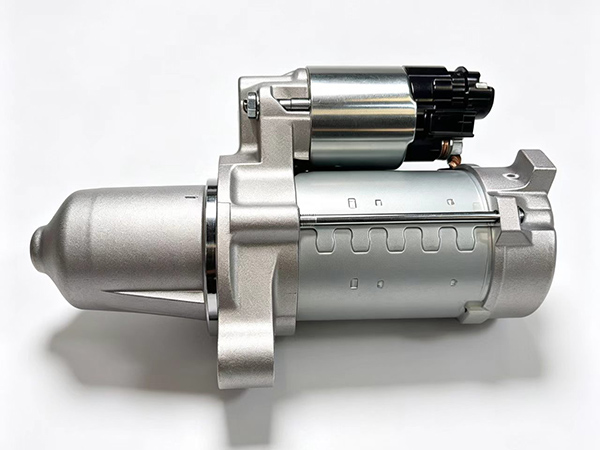
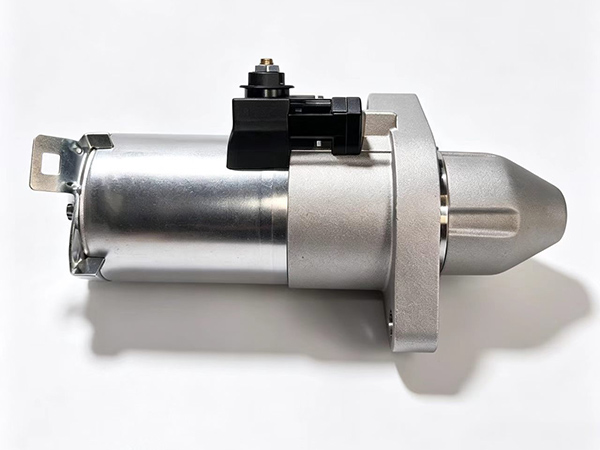
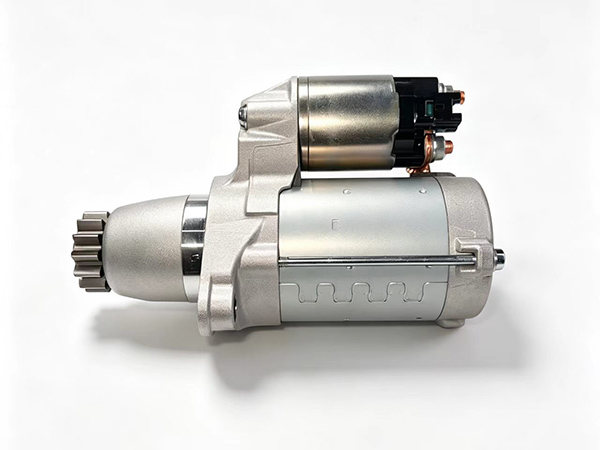
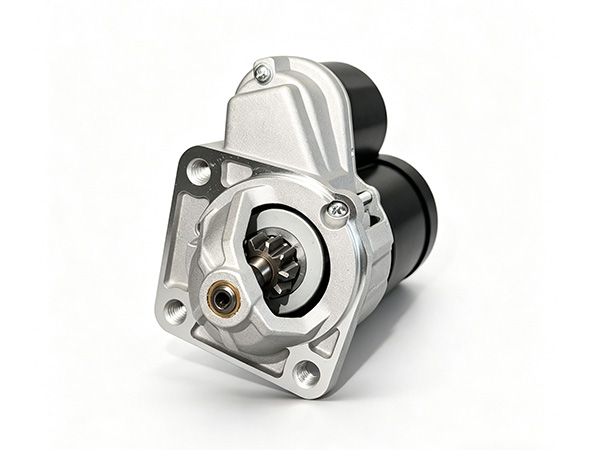
2026-09-01Starter motors are splash‑resistant but not fully sealed.Moisture,road dust,mud and salt accelerate corrosion,sticking bendix,brush wear and solenoid failure on passenger vehicles,trucks and agricultural machinery.A combination of physical shielding,sealing maintenance,drainage management and service habits can greatly reduce contamination‑related premature failure.
Install or retain factory heat‑shields and splash‑shields.Original plastic or metal shields block road spray,mud and water splash thrown from tyres and exhaust.Many owners remove shields during repair and do not refit them,exposing starter directly to dirty spray.Replace broken or missing shields.For off‑road equipment that regularly drives through mud and standing water,fit aftermarket protective starter covers where compatible.Ensure cover does not block ventilation;starters generate heat during cranking and must not be fully air‑sealed.
Maintain bell‑housing drain holes open.Bell housing collects water,mud and road debris that flows directly onto starter drive end.Clear clogged drain holes regularly.Blocked holes trap water around pinion and bendix assembly,accelerating rust and sludge build‑up.Remove built‑up mud through drain openings during routine under‑vehicle service.
Take care during vehicle washing.Avoid directing high‑pressure water jet directly onto starter,solenoid and bell‑housing area.High‑pressure water forces moisture past casing crimp seams,wiring grommets and solenoid joints into internal components.Use low‑pressure rinse for undercarriage.After deep‑water crossing,inspect starter area.If water intrusion is suspected,remove starter,blow out moisture with compressed air and inspect internal parts.
Check wiring grommets and seals.Inspect rubber grommets for solenoid wire and main power cable.Cracked,hardened or missing grommets allow dust and water ingress into solenoid housing.Replace degraded rubber seals.Apply dielectric grease lightly on electrical connector terminals to resist moisture‑induced corrosion;do not apply grease onto solenoid heavy‑duty contact surfaces.
Seal minor casing gaps during starter rebuild.When rebuilding starter,carefully re‑bend solenoid crimped edges to restore tight sealing.Replace damaged end‑plate gaskets.Do not over‑pack internal cavities with grease.Excess grease mixes with dust to form abrasive sludge,which jams bendix splines and moving parts.Only apply a thin film of high‑temperature grease on helical splines of bendix drive.
Address surrounding fluid leaks.Engine oil,gear‑box oil and transmission fluid wash away internal grease,attract dust and corrode windings.Repair oil leaks near bell housing promptly.Oil‑soaked starter housing means moisture and dirt stick more easily to internal components.Clean oil contamination off starter outer casing during service.
Preventive periodic inspection.During every major service,visually check starter for mud build‑up,rust signs and wet residue.Check solenoid casing for corrosion.If the vehicle operates in wet,salty or dusty environments,add starter inspection to maintenance schedule.If signs of contamination are found,remove starter for cleaning,spline lubrication and bench test before failure occurs.
Important note:No protection can make a starter fully submersible.Avoid deep water crossing beyond vehicle design limits.Even well‑protected starters will suffer damage under full submersion.
These practical protection steps minimise moisture and dust ingress and extend starter service life for fuel‑powered mechanical equipment.
APA 7th Edition
Patel,D.(2024).Protective‑maintenance methods for automotive starter motors against moisture and dust contamination.*International Journal of Automotive Starting‑System Environmental‑Protection Practice*,10(2),41‑48.
MLA 9th Edition
Patel,Dinesh.“Protective‑Maintenance Methods for Automotive Starter Motors Against Moisture and Dust Contamination.”*International Journal of Automotive Starting‑System Environmental‑Protection Practice*,vol.10,no.2,pp.42‑49.
IEEE Format
[1]D.Patel,“Protective‑maintenance methods for automotive starter motors against moisture and dust contamination,”*Int.J.Autom.Start.Syst.Environ.Prot.Pract.*,vol.10,no.2,pp.41‑48.