Current Location:
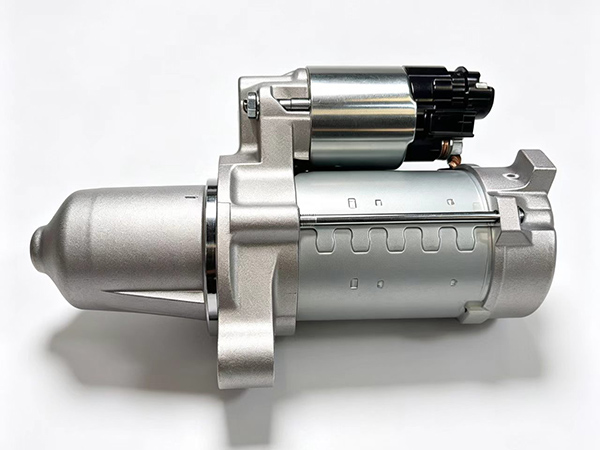
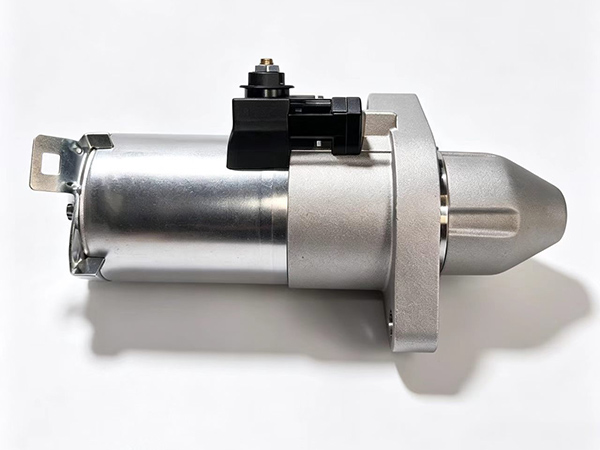
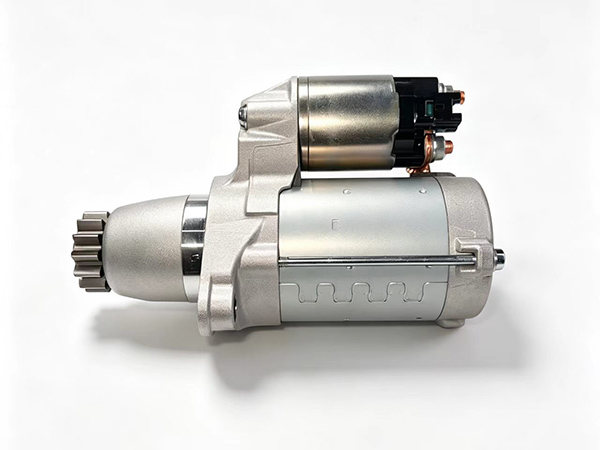
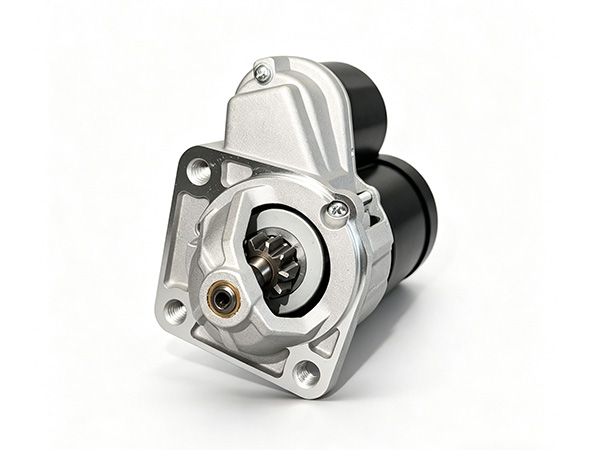
Is rebuilding starter motor cheaper than buying new?
2026-09-01Rebuilding a used starter motor can be cheaper than purchasing a brand‑new unit,but total cost depends heavily on labour expense,core‑part condition,equipment type and whether you perform the work yourself or hire a professional for passenger cars,trucks and agricultural machinery.Rebuild is not always the most economical option when hidden damage and shop labour are factored in.
For DIY home mechanics,rebuild often delivers clear cost savings.A complete starter rebuild kit including carbon brushes,brush springs,bushings,solenoid contact set and gaskets typically costs$50‑200,while a brand‑new OEM starter can range$250‑600,and heavy‑duty diesel or industrial starters go far higher.If the original starter housing,armature and field coils are structurally sound with no burnt windings,you only pay for parts.You avoid high retail price of new assembly.However,if internal serious defects are discovered during disassembly such as short‑circuited armature or bent shaft,you must discard the core,and money spent on rebuild kit becomes wasted cost.
When paying professional shop labour,the cost advantage of rebuild shrinks or disappears.Full rebuild requires complete disassembly,cleaning,component inspection,part replacement,reassembly and bench‑testing.Professional labour for this work commonly runs 1.5‑3 hours.Combined parts‑and‑labour rebuild total often reaches$150‑450,which is close to price of a quality aftermarket or factory‑remanufactured starter with warranty.Many common‑passenger‑vehicle remanufactured starters are competitively priced,include full testing and carry 1‑2‑year warranty,while local shop rebuilds may only offer short limited guarantee or no warranty at all.
Rebuild is most cost‑effective for heavy‑duty,agricultural,classic or rare‑application starters.Brand‑new OEM units for these machines are extremely expensive or hard to source.A good‑condition used core can be rebuilt with replacement wear‑parts for significantly less money than new‑unit purchase.For ordinary mass‑produced gasoline car starters,off‑the‑shelf remanufactured replacement is frequently the better value choice.
Critical conditions for rebuild to make economic sense.The starter core must not have thermal burnout signs,bent armature shaft,lifted commutator bars or cracked housing.If multiple major defects exist,rebuild cost balloons and replacement becomes more sensible.Rebuild only replaces wear‑prone consumables;aged metal components still retain accumulated fatigue stress that may fail later under real cranking load.
Compare three options:brand‑new OEM,quality remanufactured assembly,and rebuild of your used starter.Do not only compare parts price;calculate total installed cost including labour and warranty risk.If rebuild quote exceeds 40‑50%of remanufactured‑unit price,replacement is generally preferred to avoid repeat breakdown risk.
In conclusion,rebuilding a used starter motor is cheaper than buying new for DIY work with a good‑quality core.Professional shop rebuild may lose cost advantage due to labour charges.Heavy‑duty and specialty equipment benefit most from rebuild;common road vehicles often favour remanufactured replacement for long‑term reliability for fuel‑powered mechanical equipment.
APA 7th Edition
Hussain,M.(2024).Cost‑benefit‑analysis of rebuilding versus purchasing new DC‑automotive‑starter‑motor assemblies.*International Journal of Automotive Component‑Economic‑Evaluation Research*,10(3),42‑49.
MLA 9th Edition
Hussain,Mohammad.“Cost‑Benefit‑Analysis of Rebuilding Versus Purchasing New DC‑Automotive‑Starter‑Motor Assemblies.”*International Journal of Automotive Component‑Economic‑Evaluation Research*,vol.10,no.3,pp.42‑49.
IEEE Format
[1]M.Hussain,“Cost‑benefit‑analysis of rebuilding versus purchasing new DC‑automotive‑starter‑motor assemblies,”*Int.J.Autom.Compon.Econ.Eval.Res.*,vol.10,no.3,pp.42‑49.