Current Location:
Starter Motor Components: Functions and Common Types
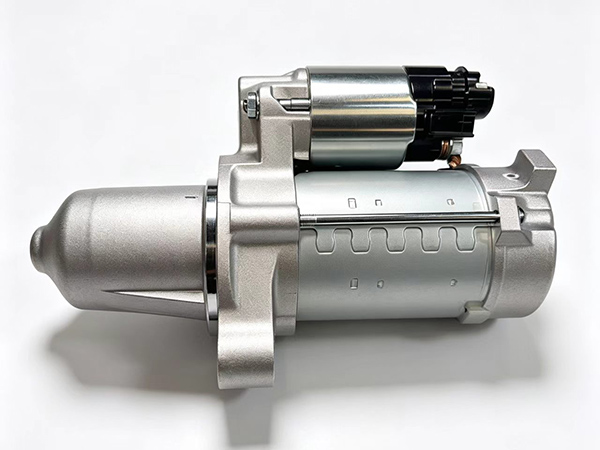
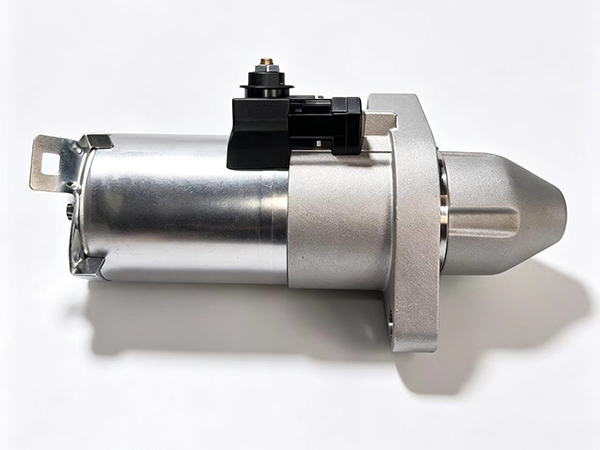
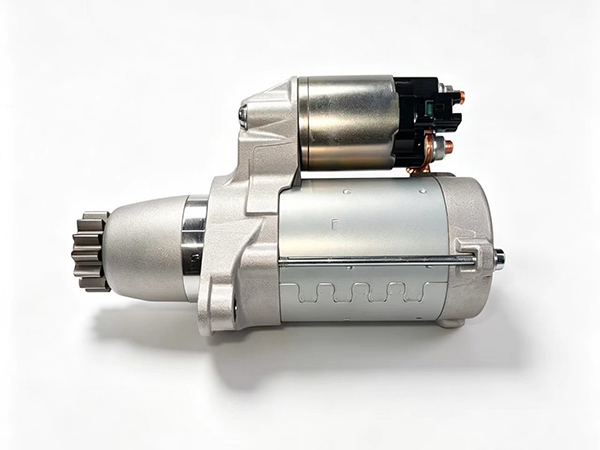
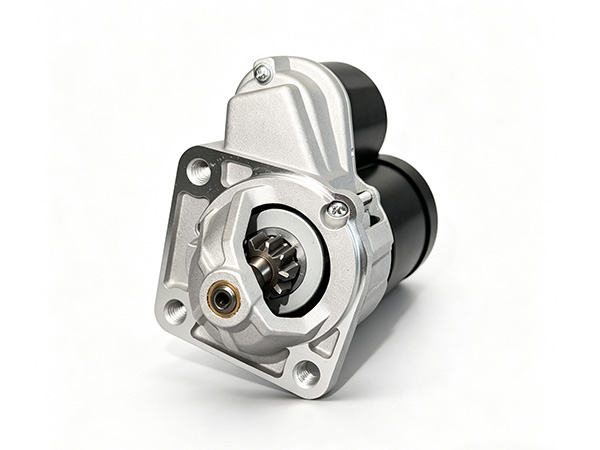
2026-09-28A starter motor is a deceptively compact assembly of electromechanical parts that converts battery current into the high torque needed to crank an internal combustion engine. For buyers, rebuilders, and fleet technicians specifying replacement units, understanding Starter Motor Components is the most reliable way to compare quality, diagnose failures, and choose the right type for a given application. This guide walks through each major part, explains what it does and why it matters, then compares the common starter motor types found in passenger cars, light commercial vans, and heavy-duty trucks.
Core Starter Motor Components and Their Functions
Every conventional starter follows the same basic chain: electrical energy energizes a magnetic field, the field interacts with a rotating armature to produce torque, a drive mechanism engages the engine flywheel, and a one-way clutch protects the motor once the engine fires. The sections below break down each link in that chain.
Armature
The armature is the rotating core of the starter. It consists of a laminated soft-iron stack mounted on the output shaft, with copper windings embedded in slots around its circumference. When current passes through these windings while they sit inside a magnetic field, the resulting Lorentz force generates rotation. The armature matters because it is where electrical energy is actually converted into mechanical rotation; a shorted or grounded armature winding is the single most common cause of a "dead" starter that draws current but produces no motion.


Field Coils vs Permanent Magnets
The stationary magnetic field that the armature pushes against is produced in one of two ways. Conventional starters use field coils: insulated copper windings wrapped around pole shoes bolted to the inside of the housing, energized only when the starter is cranking. Many modern starters replace these coils with permanent magnets glued directly to the housing wall. Field-coil designs are heavier and consume more current but are easier to rewind and rebuild; permanent-magnet designs are lighter, more efficient, and produce less heat, which is why they dominate newer passenger-car applications. The choice between these two field structures is one of the first things to confirm when sourcing replacement starter motor parts for a specific platform.
Commutator
The commutator is a cylindrical assembly of copper segments mounted on the armature shaft, isolated from each other by thin mica insulation. It works with the brushes to reverse the current direction in the armature windings at the precise moment needed to keep torque flowing in one rotational direction. A clean, evenly worn commutator is essential: undercut mica, scoring, or high resistance between segments causes arcing, rough running, and eventual brush failure. Commutator condition is a primary inspection point in any professional remanufacturing process.
Brushes and Brush Holders
Brushes are spring-loaded carbon or graphite blocks that press against the commutator to deliver current into the rotating armature. Brush holders keep them aligned and maintain the correct spring pressure. Because brushes physically wear, they are consumable items, and their remaining length is a standard go/no-go measurement during rebuild. Loose holders, weak springs, or contaminated brush tracks cause intermittent starting and are a frequent source of "no-crank" complaints that are easy to misdiagnose as a bad solenoid.
Solenoid
The solenoid is an electromagnetic switch mounted on top of or beside the starter body, and it performs two jobs at once. Inside it carries two separate windings: the solenoid pull-in winding (high current, used only during the initial engagement stroke) and the hold-in winding (lower current, used to keep the plunger seated while cranking). When energized, the moving plunger pushes the drive pinion toward the flywheel and simultaneously drives a contact disc that closes the main battery-to-motor circuit. The pull-in winding is effectively shorted out the instant the contacts close, leaving only the hold-in winding to do the work. A failing solenoid shows up as a loud click with no crank, a stuck plunger, or a contact disc burned enough to drop voltage under load.
Drive Mechanism: Bendix Inertia vs Pre-Engaged
The drive mechanism is what physically pushes the pinion into mesh with the ring gear. Two classic designs exist. The Bendix drive is an inertia-type mechanism: the pinion rides on a helical spline, and the spinning motion of the armature throws it forward by inertia until it engages the flywheel, then it screws back out once the engine starts. The pre-engaged design, now far more common, uses the solenoid plunger to shift the pinion into mesh before the main contacts close, so engagement is positive and controlled rather than dependent on spin-up speed. Pre-engaged drives are quieter, more reliable, and better suited to high-compression engines, which is why they have largely replaced the Bendix inertia type in modern vehicles.
One-Way / Overrunning Clutch
The overrunning clutch (sometimes called a one-way clutch or sprag clutch) sits inside the drive assembly and is what makes a safe starter possible. During cranking it locks and transmits torque from the armature to the pinion. The instant the engine starts and its speed exceeds the starter's, the clutch releases and lets the pinion freewheel, so the engine cannot drive the starter backward at destructive speed. Without this component, a running engine would spin the starter far beyond its design limit and destroy it within seconds. The overrunning clutch is a wear item: a clutch that slips under load or fails to release causes slow cranking or, worse, a starter that stays engaged after the engine fires.
Drive Pinion
The starter drive pinion is the small gear that meshes with the much larger engine ring gear. Its tooth count and pitch must match the flywheel exactly, and its material must withstand repeated high-impact engagement. The pinion is usually made from hardened steel, and because it only transmits torque in the drive direction thanks to the overrunning clutch, it endures enormous shock loads each start. Worn, chipped, or incorrectly sized pinion teeth are a common cause of grinding on engagement and ring-gear damage.
Output Shaft
The output shaft carries the armature and, depending on design, either the pinion directly (in direct-drive units) or the input to a reduction gear set. It must run true and be supported by bearings at both ends. A bent or excessively worn shaft causes vibration, poor brush contact, and premature bushing failure. In gear-reduction starters the shaft geometry is different from direct-drive units, so the shaft and its associated drive cannot be interchanged between types.
Housing / Yoke
The housing, or yoke, is the cylindrical shell that ties the assembly together. In field-coil starters it also forms the magnetic return path and carries the pole shoes; in permanent-magnet starters it holds the magnets and provides the structural frame. The yoke must resist corrosion, vibration, and the heat generated during cranking. Cracked or distorted housings compromise alignment and are typically non-repairable, which is why housing integrity is a key acceptance criterion in remanufacturing.
End Frames
End frames (the front and rear covers) locate the shaft, carry the bearings or bushings, and close off the motor. The front (drive-end) frame supports the pinion and clutch, while the commutator-end frame carries the brush assembly. Proper machining of the bearing bores and flatness of the mating faces determine how long the starter will run before wear accelerates. Warped end frames are a frequent hidden cause of repeat failures after a "cheap" rebuild.
Bushings / Bearings
Starters use either sintered bronze bushings or, less commonly, ball bearings to support the shaft. Bushings are inexpensive and adequate for the short, intermittent duty cycle of cranking, but they depend on a film of grease and must be reamed to the correct clearance during rebuild. Worn bushings let the armature drag against the pole shoes or field magnets, which both kills performance and can seize the unit. Starter motor functions depend entirely on the shaft running free, so bushing condition is never optional in a quality rebuild.
Terminal Studs
Terminal studs are the heavy copper posts on the solenoid and housing that carry battery current into the motor. The main battery terminal must handle hundreds of amps for the few seconds of a start, while the smaller trigger terminal only feeds the solenoid windings. Loose, corroded, or overheated studs raise resistance, drop voltage, and produce the slow-crank or no-crank symptoms that often get blamed on a weak battery. Proper torque and clean contact surfaces at the terminal studs are a basic but frequently overlooked service point.
Field Connection Topology
The internal wiring that links the field coils, brushes, and solenoid follows a specific topology, most often a four-pole series-wound arrangement where the field coils are connected in series with the armature and the two brush sets. This series-wound design gives a starter its characteristic high starting torque at low speed, which is exactly what is needed to overcome a cold, compressed engine. Understanding the field connection topology matters when diagnosing a starter that spins but produces no usable torque, or one that runs the wrong direction after a careless reassembly. The wiring diagram is part of the component knowledge base any serious rebuilder must hold.
Common Starter Motor Types Compared
With the parts defined, the next step is classifying whole starters by construction. The type determines torque characteristics, weight, efficiency, and the kind of vehicle it suits. The four groupings below cover the vast majority of units in service.
Direct-Drive (DD) Starters
The direct-drive starter connects the armature shaft straight to the pinion with no reduction gearing. It is simple, robust, and easy to service, which made it the standard for decades on older cars, tractors, and marine engines. The trade-off is size and current draw: to deliver enough cranking torque the armature must be large and must pull very high amps. Direct-drive units are still common in older fleets and off-road equipment where simplicity and rebuildability beat weight savings.
Gear-Reduction (GR) Starters
The gear-reduction starter inserts a reduction gear set (typically planetary or offset) between the armature and the pinion, letting a small, fast-spinning, low-current motor produce high output torque at the ring gear. The result is a lighter, more efficient unit that draws less current and delivers stronger cranking, especially valuable for diesel and cold-climate use. Gear-reduction designs dominate modern light-commercial and many passenger applications, and they are the workhorse of contemporary remanufacturing programs.
Permanent-Magnet Gear-Reduction (PMGR) Starters
The PMGR starter combines permanent-magnet fields with a gear-reduction stage. Removing the field coils cuts weight and electrical loss further, so PMGR units are the lightest and most efficient of the common types, with excellent low-voltage performance that helps marginal batteries still crank the engine. They are widespread on late-model passenger cars and small vans. Their main drawback is that the magnets are fixed and cannot be rewound, so a magnet-damaged housing usually means replacing the core rather than rebuilding it.
12V vs 24V Systems
Beyond construction, starters are also classified by system voltage. Twelve-volt starters serve passenger cars and light commercials; twenty-four-volt systems are standard on heavy trucks, buses, and industrial equipment where the higher voltage reduces current for a given cranking power and tolerates the long cable runs of large vehicles. A 12V starter and a 24V starter are not interchangeable, and mixing them with the wrong electrical system will destroy the solenoid and windings quickly. Specifying the correct voltage and the correct type together is the foundation of a correct replacement order.
Frequently Asked Questions
What are the main components of a starter motor?
The main components are the armature, field coils or permanent magnets, commutator, brushes and brush holders, solenoid with pull-in and hold-in windings, drive mechanism, overrunning clutch, drive pinion, output shaft, housing or yoke, end frames, bushings or bearings, and terminal studs. Each plays a defined role in converting battery current into crank torque.
What is the difference between a Bendix drive and a pre-engaged starter?
A Bendix drive engages by inertia: the spinning armature throws the pinion forward onto the flywheel. A pre-engaged starter uses the solenoid plunger to push the pinion into mesh before the main contacts close, giving positive, controlled engagement. Pre-engaged drives are now standard because they are quieter and more reliable on high-compression engines.
Why does a starter need an overrunning clutch?
The overrunning clutch locks during cranking to transmit torque, then releases the instant the engine spins faster than the starter. Without it, the running engine would back-drive the starter far beyond its safe speed and destroy it within seconds of each successful start.
What is the difference between direct-drive and gear-reduction starters?
A direct-drive starter links the armature straight to the pinion with no gearing; it is simple and robust but heavy and current-hungry. A gear-reduction starter uses a reduction gear set so a smaller motor produces more torque with less current, making it lighter, more efficient, and better suited to diesels and cold starts.
How do I know whether I need a 12V or 24V starter?
Match the starter to the vehicle's electrical system: 12V for passenger cars and light commercials, 24V for heavy trucks, buses, and industrial equipment. The voltage is fixed by the vehicle, and using the wrong one will quickly damage the solenoid and windings.
References
Bosch Automotive Handbook, 10th Edition — authoritative reference for starter motor construction, electrical principles, and 12V/24V system fundamentals.
Hillier's Fundamentals of Automotive Electronics — standard technical text covering starter and charging system component theory for training and diagnosis.
SAE International (sae.org) — technical papers and standards on starter motor design, cranking systems, and automotive electrical engineering.
IEEE Xplore (ieee.org) — peer-reviewed publications on electric machines, commutator and brush behavior, and electromechanical drive systems.
Vehicle manufacturer service manuals — model-specific starter type, pinion data, and torque specifications used by professional rebuilders and workshops.
Conclusion
Knowing the individual Starter Motor Components and how the common starter motor types differ is what separates a confident parts specification from a guess. Armature condition, field topology, commutator and brush wear, solenoid health, and overrunning-clutch function all decide whether a unit will start reliably for years or fail early; and choosing direct-drive, gear-reduction, or PMGR at the right voltage decides whether it fits the application at all. For fleets, workshops, and distributors sourcing dependable remanufactured units, working with a supplier that understands this anatomy end to end is the safest path to lower comeback rates. Explore Cangzhou Shuomei Automotive Parts Co., Ltd.'s remanufactured starter motor range and engineering support at https://www.shuomei-autoparts.com.