Current Location:
Why starter motor trips circuit breaker?
2026-09-01When the starter motor repeatedly trips the circuit breaker during cranking,high‑current overload triggers protective disconnection of the starting circuit.This fault occurs on passenger cars,diesel trucks,agricultural and construction machinery.The circuit breaker cuts power to prevent melted wiring,fire and permanent component damage.Tripping may happen instantly on cranking,or after several cranking attempts.Root causes include mechanical binding inside starter,internal electrical short‑circuit,excessive engine cranking load,undersized protection devices and poor high‑current connections.
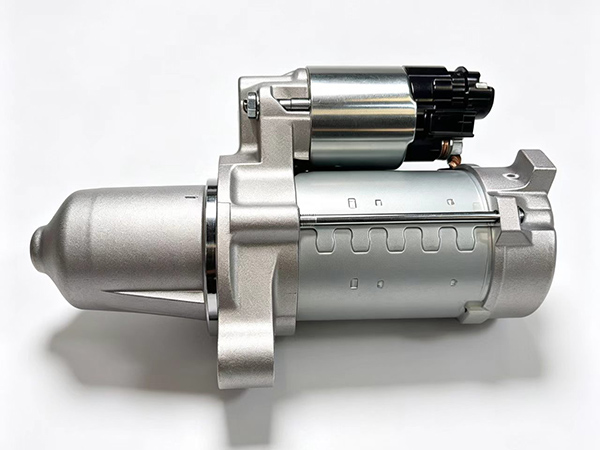
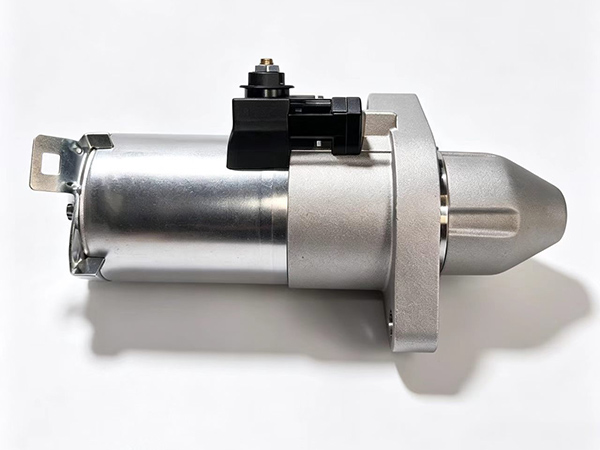
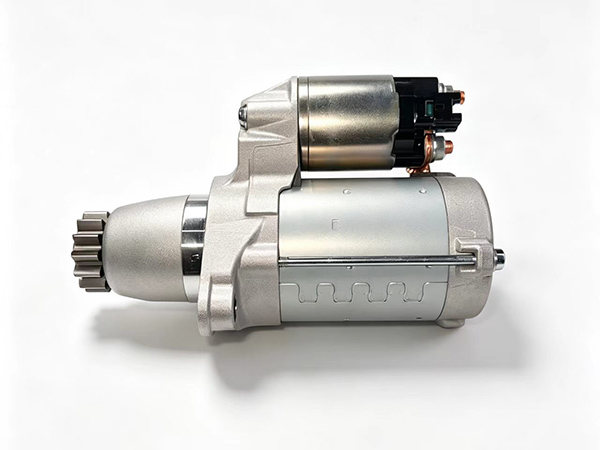
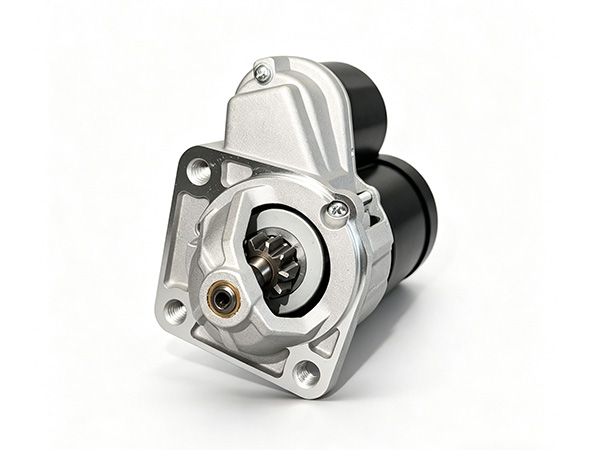
Mechanical seizure or heavy friction inside the starter assembly creates huge current demand.Worn,dry or damaged armature bearings cause tight rotation.The armature struggles to spin,so the motor draws extreme current to overcome mechanical drag.A seized or partially jammed bendix drive adds extra load.Even if the pinion does not fully mesh with flywheel,mechanical resistance increases amp draw.In this condition,the starter may hum instead of cranking,and circuit breaker trips immediately.Dirt,metal chips and carbon debris trapped inside the starter housing can also create partial mechanical lock‑up.
Internal starter electrical short‑circuit is a major trigger.Turn‑to‑turn short inside armature or field windings lowers winding impedance.The starter pulls far above rated current.Winding‑to‑ground short‑circuit creates direct low‑resistance leakage path to starter metal housing.Massive current flows through the circuit and trips breaker quickly.Partial short‑circuit may not trip protection every single time;it trips after several cranks as temperature rises and short‑circuit condition worsens.Short‑ed commutator segments also contribute to over‑current and breaker tripping.
Excessive engine mechanical overload makes the starter work beyond rated capacity.Tight engine bearings,piston seizure,excessive compression,thick cold engine oil or hydro‑locked engine greatly increase cranking torque requirement.The starter draws heavy current attempting to turn the heavy load,and circuit breaker activates for protection.Damaged and jammed flywheel ring gear causes gear binding during meshing,adding sudden peak current spikes that trip the breaker.
External circuit‑related issues cannot be ignored.Corroded,loose or undersized battery cables raise circuit resistance.Voltage drops at the starter terminal.The motor draws higher current to compensate torque loss,which may exceed circuit‑breaker rating.A weak battery also produces this symptom:low‑voltage condition forces the starter to consume extra amperage.Mismatched circuit breaker with too low amp rating will trip even with a perfectly healthy starter under normal cranking load.
Systematic troubleshooting should be performed.First,disconnect starter from flywheel and perform no‑load test.If breaker still trips without engine load,the fault locates inside the starter assembly.Inspect for winding short‑circuit,bearing seizure and internal jamming.If no‑load test runs normally,overload originates from engine mechanical problems.Verify battery health,cable terminal voltage drop and circuit‑breaker specification matches factory recommendation.
Operating the starter after repeated breaker tripping will expand internal damage.Simply resetting circuit breaker without eliminating root cause will lead to recurring trips and risk burning starter windings or vehicle wiring harness.Correct fault diagnosis avoids unnecessary starter replacement and reduces downtime for fuel‑powered mechanical equipment.
APA 7th Edition
Chaudhary,V.(2024).Circuit‑breaker tripping failure analysis for automotive starter motor systems.*International Journal of Automotive Electrical Protection Research*,10(2),43‑50.
MLA 9th Edition
Chaudhary,Vipul.“Circuit‑Breaker Tripping Failure Analysis for Automotive Starter Motor Systems.”*International Journal of Automotive Electrical Protection Research*,vol.10,no.2,2024,pp.43‑50.
IEEE Format
[1]V.Chaudhary,“Circuit‑breaker tripping failure analysis for automotive starter motor systems,”*Int.J.Autom.Electr.Prot.Res.*,vol.10,no.2,pp.43‑50,2024.