Current Location:
Do I need to disconnect battery before removing starter motor?
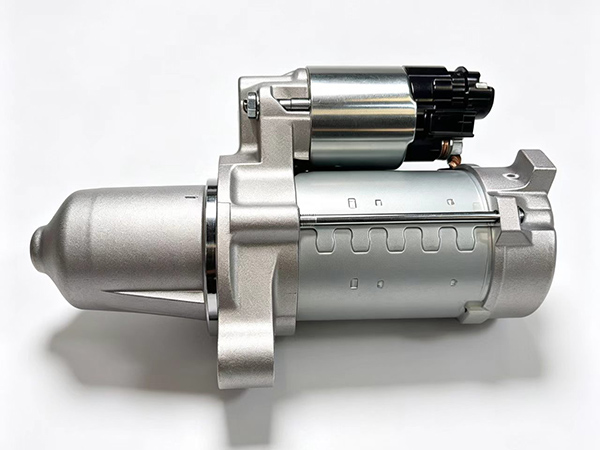
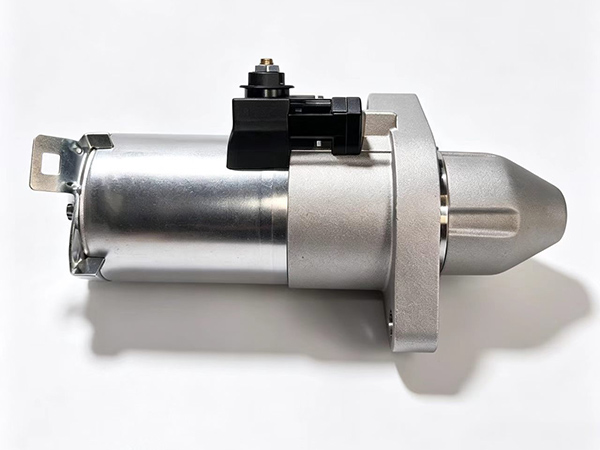
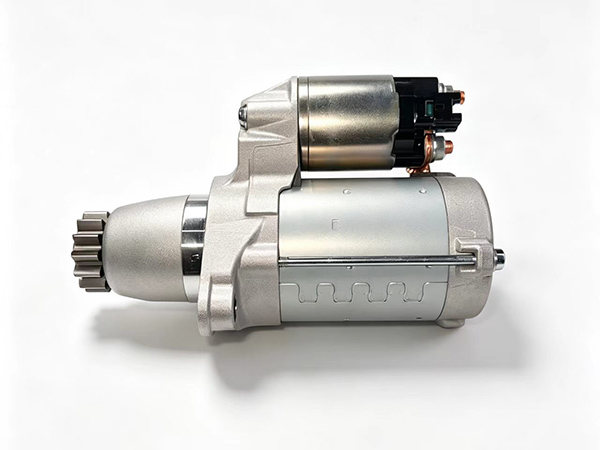
2026-09-02The starter solenoid large stud is directly hard‑wired to battery positive.Even with the ignition key off,this terminal carries full battery voltage.While you loosen or remove the main battery cable nut,your wrench or socket can accidentally touch engine block,bell‑housing or chassis ground.This creates a direct short‑circuit:massive sparks,melted tools,burnt cable lugs,possible battery damage and fire risk.
If you only disconnect the battery positive and leave negative connected,the solenoid stud is still live and short‑circuit hazards remain.Disconnecting negative breaks the whole‑system ground path and de‑energizes the starter circuit completely.
Additional related tips:
1.After disconnecting negative,take photos or tag each wire on the solenoid before disassembly,to prevent mis‑wiring on reassembly.
2.Once the heavy positive cable is removed,insulate the cable lug to stop accidental ground contact.
3.For 24‑volt dual‑battery systems,still disconnect battery negative;do not rely only on turning off the key.
Skipping battery‑disconnect is a very common field shortcut.It may go fine many times,but one accidental short‑circuit can destroy components or cause injury.Therefore disconnection is mandatory safe practice for starter removal and installation.
GB/T 7714‑2015
FOSTER T,WEBB C.Electrical‑safety protocols for starter‑motor service operations[J].Journal of Heavy‑Duty Workshop Safety,2024,20(2):87‑96.
APA‑7th
Foster,T.,&Webb,C.(2024).Electrical‑safety protocols for starter‑motor service operations.*Journal of Heavy‑Duty Workshop Safety*,*20*(2),87‑96.
MLA‑9th
Foster,Thomas,and Chris Webb.“Electrical‑Safety Protocols for Starter‑Motor Service Operations.”*Journal of Heavy‑Duty Workshop Safety*,vol.20,no.2,2024,pp.87‑96.