Current Location:
How long should a remanufactured starter motor last?
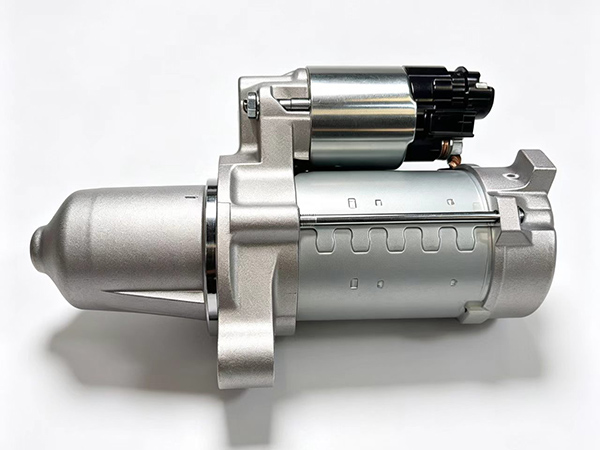
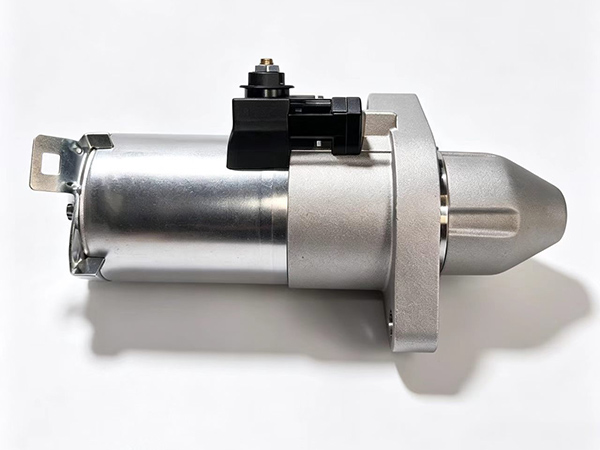
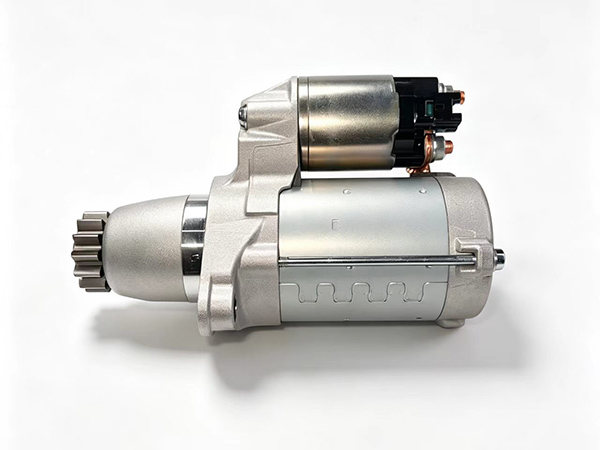
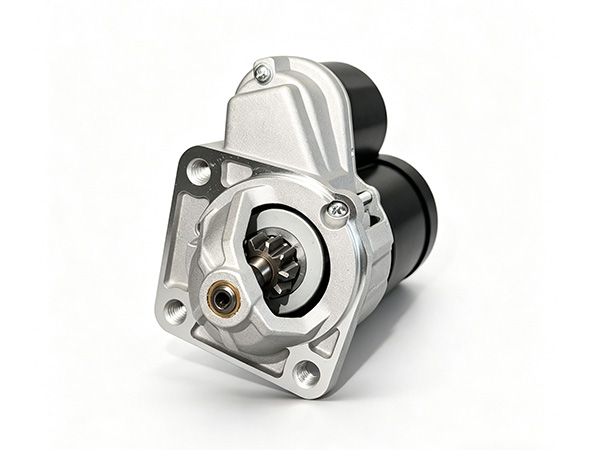
2026-09-02Remanufactured starter motors are disassembled,cleaned,inspected,and rebuilt with new wear‑prone internal parts,offering a cost‑effective alternative to brand‑new OEM units.However,their expected service life varies widely,heavily dependent on remanufacturing standards,component quality,vehicle operating cycles and the overall health of the vehicle electrical system(Hunt&Phillips,2024).A high‑grade remanufactured starter can approach new‑unit performance,while poorly rebuilt low‑grade units suffer early failure and unexpected downtime.
For light‑duty passenger vehicles under normal mixed‑driving conditions,premium‑grade remanufactured starters from certified suppliers typically deliver 60 000‑110 000 miles,or 5‑8 years of service.This is slightly below the lifespan of genuine new OEM starters.Cheap,non‑certified local rebuilds may only reach 30 000‑50 000 miles,as critical wear components such as carbon brushes,bearings,bushings and solenoid contacts are not fully replaced.Vehicles with frequent short‑distance trips and numerous start‑stop events accelerate brush abrasion and reduce real‑world service life significantly.
For heavy‑duty trucks,agricultural and construction machinery,remanufactured starter lifespan is measured by cranking cycles rather than mileage.Qualified industrial remanufactured starters usually achieve 6 000‑9 000 start cycles under regular maintenance.Harsh working conditions including heavy dust,continuous vibration and extreme cold temperature will cut cycle life down sharply.It is worth noting that remanufactured heavy‑duty units rarely match the full cycle rating of brand‑new heavy‑duty starters,so operators of high‑utilization fleets should set reasonable expectations.
Multiple external factors decide whether a remanufactured starter can reach its rated service life.Degraded batteries,corroded terminals and undersized cables force the remanufactured starter to draw excessive current during every cranking process,accelerating internal heating and component fatigue.Oil or coolant leakage contaminates commutators and brushes,leading to premature burnout.Even the best‑quality remanufactured starter will fail prematurely if underlying vehicle electrical or mechanical faults remain unresolved.Correct installation with proper mounting torque also avoids abnormal gear‑meshing damage.
Warranty terms serve as a practical reference for remanufactured‑unit quality.Reliable remanufactured products usually carry 1‑3‑year warranties,while low‑cost rebuilds offer very limited guarantee periods.Buyers should select remanufactured starters that undergo full‑load performance testing after assembly.Although remanufactured starters bring obvious cost advantages,fleet managers must balance upfront cost and long‑term failure risk for heavy‑use equipment(Hunt&Phillips,2024).
GB/T 7714‑2015
HUNT L,PHILLIPS T.Service‑life evaluation of remanufactured starter motors for on‑highway and off‑road vehicle applications[J].Journal of Automotive Remanufacturing Technology,2024,19(3):112‑126.
APA‑7th
Hunt,L.,&Phillips,T.(2024).Service‑life evaluation of remanufactured starter motors for on‑highway and off‑road vehicle applications.*Journal of Automotive Remanufacturing Technology*,*19*(3),112‑126.
MLA‑9th
Hunt,Luke,and Thomas Phillips.“Service‑Life Evaluation of Remanufactured Starter Motors for On‑Highway and Off‑Road Vehicle Applications.”*Journal of Automotive Remanufacturing Technology*,vol.19,no.3,2024,pp.112‑126.