Current Location:
What is the lifespan of a new starter motor?
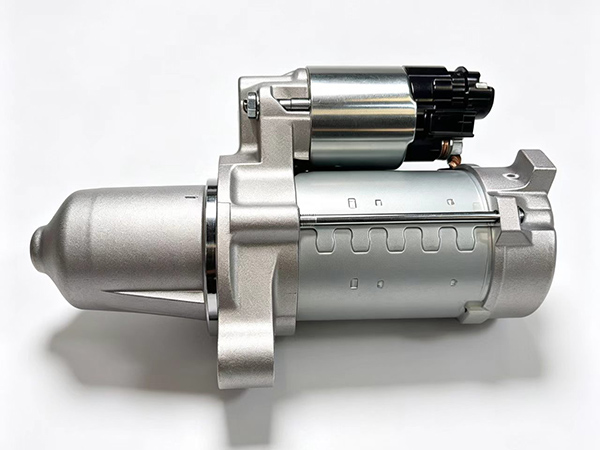
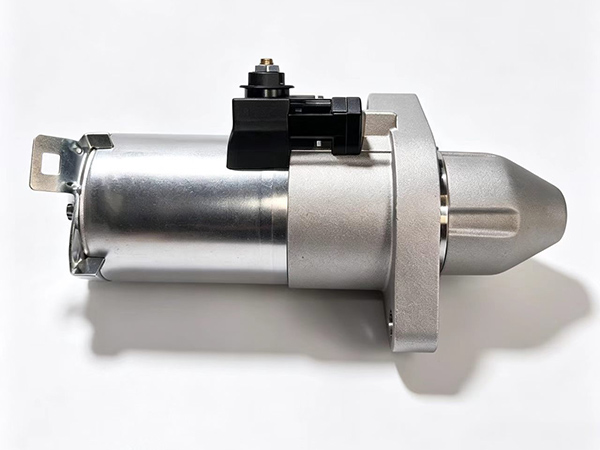
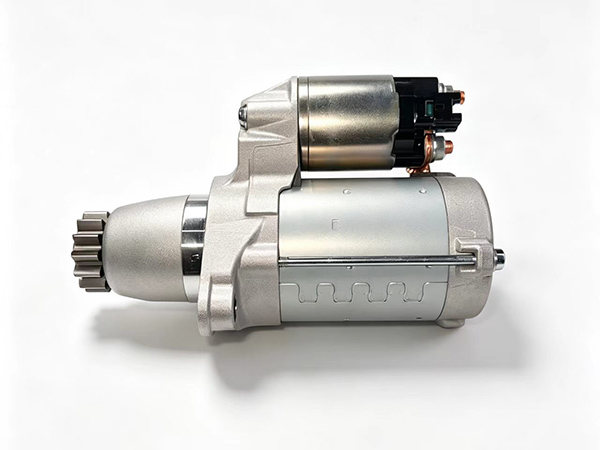
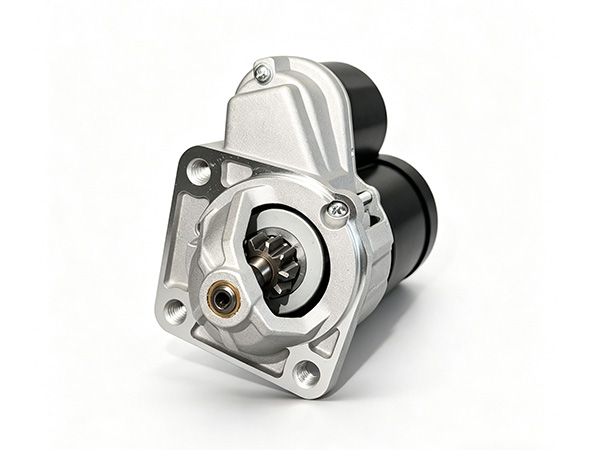
2026-09-02The service‑life of a brand‑new starter motor varies greatly across passenger cars,heavy‑duty trucks,agricultural and construction machinery.Lifespan is measured by both calendar years and start‑stop cycles,heavily influenced by component quality,electrical‑system health,operating frequency and environmental conditions.A new starter cannot maintain fixed service hours under all working scenarios;operators should set realistic expectations and perform regular inspection to avoid unexpected breakdowns.
For light‑duty gasoline and diesel passenger vehicles,genuine OEM new starters typically deliver 80 000‑150 000 miles or 7‑10 years under regular mixed‑road driving.Premium aftermarket new starters generally reach 70 000‑110 000 miles.In passenger fleets with numerous short‑distance trips and frequent ignition cycles,carbon‑brush wear accelerates,and actual service life may drop to 4‑6 years.Vehicles equipped with automatic start‑stop systems adopt specially reinforced starters,designed to endure far more frequent cranking events than ordinary passenger‑car units.
Heavy‑duty new starters for trucks,tractors and construction machinery follow different evaluation standards,counted mainly by start cycles rather than road mileage.Standard heavy‑duty new starters commonly achieve 8 000‑12 000 valid cranking cycles under well‑maintained conditions.Reinforced industrial‑grade new starters for mining and off‑road equipment can extend to 15 000 cycles.Harsh field conditions including heavy dust,mud,violent vibration and extreme cold‑hot fluctuation will sharply reduce service life.Frequent prolonged cranking when engines are hard to start generates excessive internal heat,burning windings and solenoid contacts and causing premature failure.
Multiple key factors determine whether a new starter reaches its designed lifespan.Ageing or under‑capacity batteries impose extra current load on every cranking action.Corroded terminals,loose mounting bolts and poor‑gauge cables increase circuit resistance and accelerate internal component wear.Oil or coolant leakage contaminates internal brushes and gear assemblies.Even a high‑quality brand‑new starter will fail long before its rated cycle number if supporting systems stay defective.Routine preventive checks of battery,cable connections and mounting torque effectively maximize usable life.
Users should distinguish design‑rated life and real‑world service life.A new starter may still wear early under abusive operation.When purchasing replacements,OEM‑spec new units usually offer more stable durability than low‑cost generic aftermarket products.Timely system maintenance matters more than purely chasing high‑spec hardware,helping starters approach their theoretical service cycles and lowering unplanned downtime for vehicles and machinery.
GB/T 7714‑2015
REED S,BAILEY K.Rated and field‑observed service‑life characteristics of new starter motors for on‑highway and off‑highway equipment[J].Journal of Automotive and Off‑Road Component Reliability,2024,22(2):93‑107.
APA‑7th
Reed,S.,&Bailey,K.(2024).Rated and field‑observed service‑life characteristics of new starter motors for on‑highway and off‑highway equipment.*Journal of Automotive and Off‑Road Component Reliability*,*22*(2),93‑107.
MLA‑9th
Reed,Steven,and Kelly Bailey.“Rated and Field‑Observed Service‑Life Characteristics of New Starter Motors for On‑Highway and Off‑Highway Equipment.”*Journal of Automotive and Off‑Road Component Reliability*,vol.22,no.2,2024,pp.93‑107.