Current Location:
How to choose the right starter motor for my engine?
2026-09-01A starter motor is an indispensable core component of an engine’s starting system,responsible for converting electrical energy from the battery into mechanical torque to crank the engine and initiate combustion.A mismatched starter motor will lead to difficult cold starts,frequent stalling,excessive battery drain,and even permanent damage to the engine flywheel and electrical system.Selecting a compatible,high-performance starter motor requires systematic consideration of engine parameters,electrical specifications,structural compatibility,and working environment conditions.Mastering scientific selection criteria is critical to ensuring stable engine operation and extending the service life of automotive and mechanical equipment.
First and foremost,matching engine type and displacement is the primary principle of starter motor selection.Different engines have distinct starting torque requirements due to varying compression ratios and structural designs.Gasoline engines with small and medium displacement have low compression resistance,so they only need standard-torque starter motors to complete cranking.In contrast,diesel engines and large-displacement industrial engines feature high compression ratios,generating far greater resistance during startup,which demands high-torque starter motors with stronger power output(Nuojin Auto Parts,2026).Oversized starter motors for small engines will cause unnecessary battery load and energy waste,while underpowered starters cannot provide enough cranking force,resulting in startup failure and accelerated component wear.Users must refer to the engine’s official parameters to confirm the matched torque and power range and avoid blind selection based only on model appearance.
Electrical specification matching is another core selection indicator,focusing on voltage and current ratings.Most civilian passenger vehicles adopt a 12V electrical system and are equipped with 12V starter motors.Large engineering machinery,marine engines,and heavy-duty trucks generally use 24V starters to meet the high torque demand of high-power engines(Silva,2026).Using a starter motor with mismatched voltage will trigger severe safety hazards:low-voltage starters cannot bear high-voltage current and will burn out the coil instantly,while high-voltage starters cannot operate normally under low-voltage conditions.In addition,users need to check the starter’s rated operating current to ensure it matches the battery’s discharge capacity,preventing insufficient power supply or circuit overload during startup.
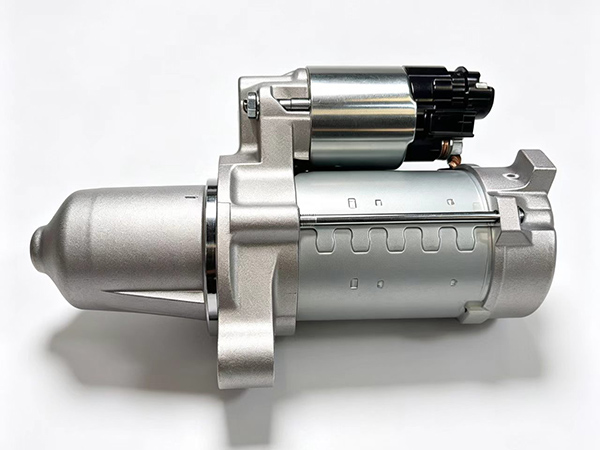
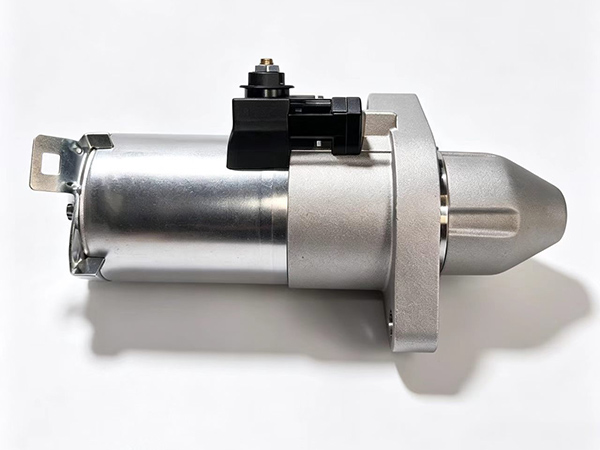
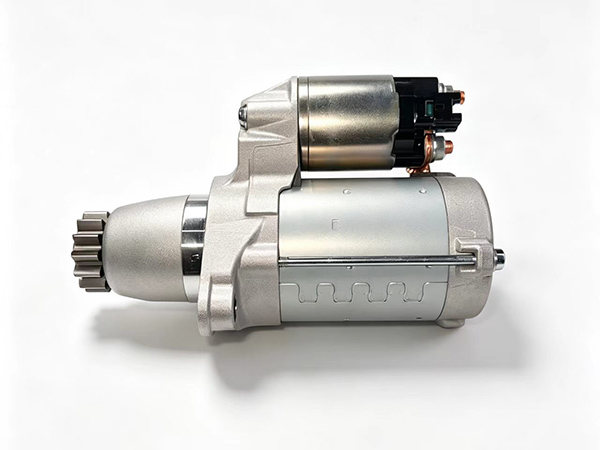
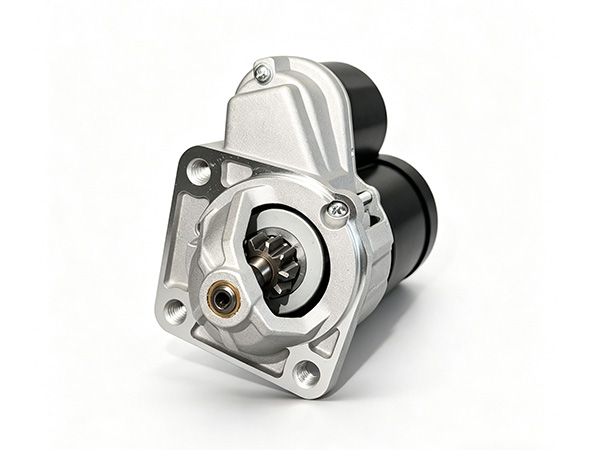
Structural compatibility determines whether the starter motor can be installed and operated normally.Key structural parameters include mounting hole spacing,pinion gear teeth number,gear engagement distance,and rotation direction.The starter pinion must mesh accurately with the engine flywheel;mismatched gear ratios or tooth numbers will cause gear abrasion,abnormal noise,and even gear jamming during operation(Car Clinic Lab,2026).Meanwhile,the mounting bracket and bolt hole position of the starter must fully fit the engine block to avoid installation deviation and loose fixation.For replacement scenarios,the most accurate method is to check the original equipment manufacturer(OEM)part number on the old starter,which can completely avoid fitting errors caused by parameter mismatch.
Working environment and durability factors cannot be ignored in selection.For vehicles and equipment operating in low-temperature areas,high-cold resistant starter motors are essential,as low temperatures will increase engine oil viscosity and raise startup resistance greatly.Sealed and waterproof starter motors are suitable for marine,engineering,and off-road equipment to prevent dust,rainwater,and sediment from invading the internal structure and causing circuit failure.In addition,users need to distinguish between new and remanufactured starters.Qualified remanufactured starters with complete warranty support are cost-effective alternatives for daily use,while high-frequency startup and heavy-load working scenarios prefer brand-new high-quality products with stable performance.
In conclusion,the correct selection of a starter motor needs to comprehensively balance engine characteristics,electrical parameters,structural compatibility,and working conditions.It is not advisable to pursue excessive power or low price blindly.Standardized selection can effectively reduce startup faults,lower maintenance costs,and ensure long-term stable operation of the engine system.Following professional parameter standards and OEM matching guidelines is the most reliable way to select a suitable starter motor for various engine types.
1.APA 7th Edition
Nuojin Auto Parts Co.,Ltd.(2026).How to choose the right starter motor for your vehicle.Technical Guidance Report.Retrieved from
2.MLA 9th Edition
Silva,Andre."Starter Motor Guide:How to Choose the Right One."CarInterior,28 Jan.2026,
3.Chicago 17th Edition
Durautos."The Beginner’s Guide:How to Choose and Replace a Starter Motor."February 2026.