Current Location:
What are common starter motor cross‑reference tips?
2026-09-02Cross‑reference is the core work for starter motor sourcing,repair‑shop replacement and bulk wholesale procurement.It maps original OEM numbers to aftermarket,remanufactured and alternative part numbers.Incorrect cross‑reference leads to incompatibility,gear grinding,flywheel damage and product returns.Systematic checking workflows reduce ordering mistakes,especially for heavy‑duty trucks,agricultural and construction machinery.
First,collect all valid original identification numbers.The primary source is the nameplate sticker stamped on the original starter body,including OEM number,OE alternative number,manufacturer code and voltage rating.Do not only rely on vehicle VIN or engine model alone.One engine model may correspond to multiple starter variants due to different years,power grades,mounting clocking and emission configurations.Record complete numbers rather than partial truncated digits.If the old starter nameplate is worn out,physically record key hardware parameters:voltage,pinion tooth count,gear module/pitch,mounting flange type,bolt pattern,nose depth,rotation direction and solenoid terminal layout.
Second,use authoritative cross‑reference resources.Official parts catalogs from component manufacturers are the most reliable.Avoid random third‑party web lookup tools without verification.Pay close attention to supersession records:old OEM numbers may be superseded by updated new part numbers.Valid supersession means the new number is drop‑in compatible,while unrelated similar‑looking numbers cannot be treated as interchangeable.Many buyers make mistakes by matching only the first several digits of part numbers.Full‑digit matching is required.
Third,filter critical technical attributes before confirming interchange.Same part number does not always equal full fit.Check voltage(12 V or 24 V),application scope,mounting type,pinion specifications and clocking angle.Note conditional fit notes:some part numbers fit only certain serial‑number ranges of engines.Distinguish standard‑duty,heavy‑duty and high‑torque upgraded units.They may share the same outer housing and OEM base number but differ internally,and cannot be mixed for all working conditions.Remanufactured starter cross‑reference follows exactly the same rules as new starters.
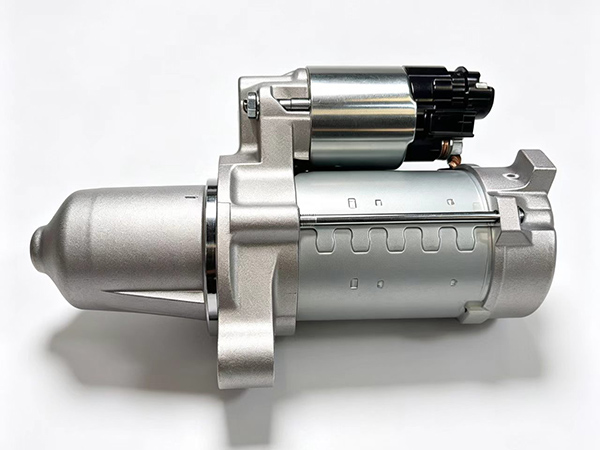
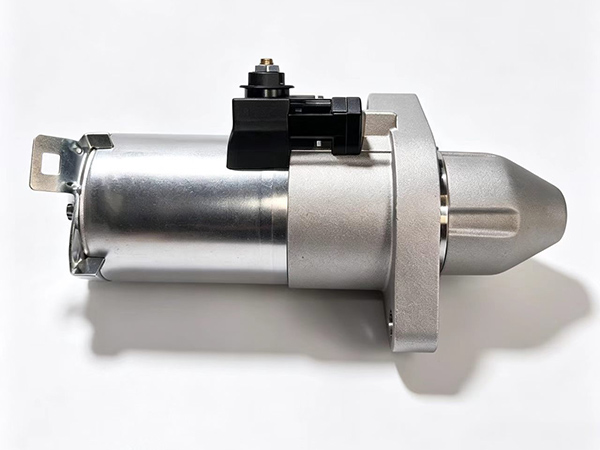
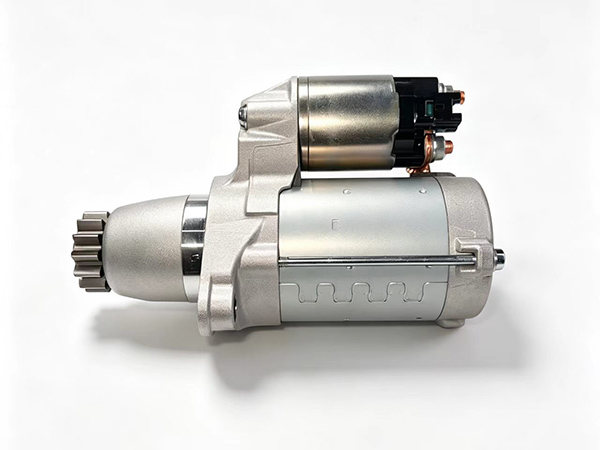
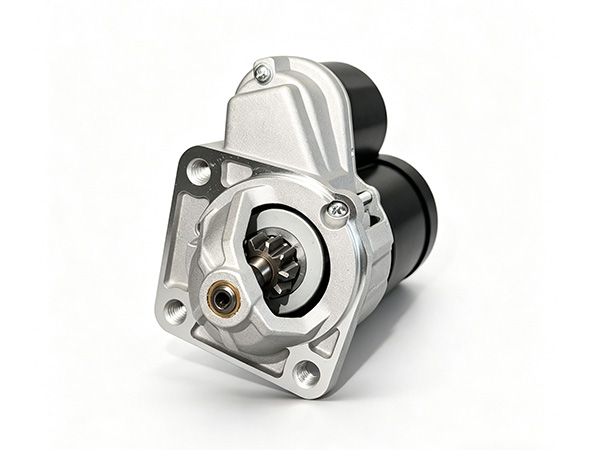
Fourth,use physical comparison as final validation.Compare product photos of the candidate replacement starter against the old unit.Check housing shape,flange outline,solenoid position,terminal orientation and pinion appearance.Visible differences are early warning signs.For bulk wholesale orders,order sample units first for bench test and trial installation before large‑batch shipment.Do not assume cross‑brand compatibility just because part‑number tables show matching entries.
Fifth,watch out for frequent cross‑reference pitfalls.Obsolete old machinery often has limited‑availability part numbers;generic substitutes may exist but need full dimensional confirmation.Marine starters require additional SAE J1171 ignition‑protection certification beyond simple part‑number matching.Never ignore core‑charge information for remanufactured starters during cross‑reference RFQ.Document all cross‑reference sources for claim support if compatibility issues occur.
In short,reliable starter cross‑reference combines original part‑number data,official catalog supersession notes,full‑parameter technical checking and physical sample verification.Relying only on vehicle or engine description is high‑risk.Strict cross‑reference workflows lower return rates and prevent expensive flywheel and mechanical damage for end‑users(Bowen&Ford,2024).
GB/T 7714‑2015
BOWEN K,FORD N.Best‑practice cross‑reference methodology for rotating‑electrical aftermarket starter components[J].Journal of Global Aftermarket Parts Data Management,2024,18(2):161‑175.
APA‑7th
Bowen,K.,&Ford,N.(2024).Best‑practice cross‑reference methodology for rotating‑electrical aftermarket starter components.*Journal of Global Aftermarket Parts Data Management*,*18*(2),161‑175.
MLA‑9th
Bowen,Kevin,and Nora Ford.“Best‑Practice Cross‑Reference Methodology for Rotating‑Electrical Aftermarket Starter Components.”*Journal of Global Aftermarket Parts Data Management*,vol.18,no.2,2024,pp.161‑175.