Current Location:
What is a reduction gear starter motor?
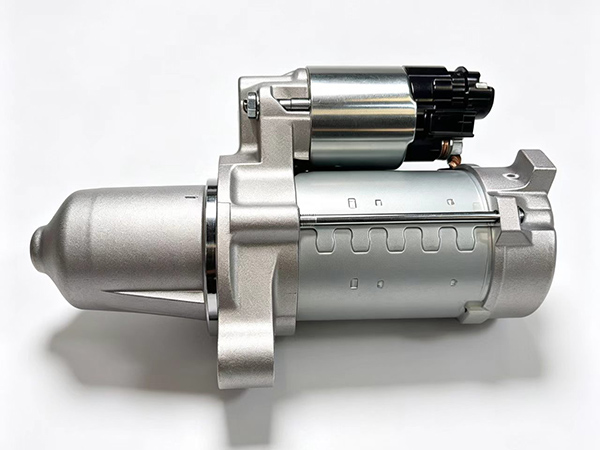
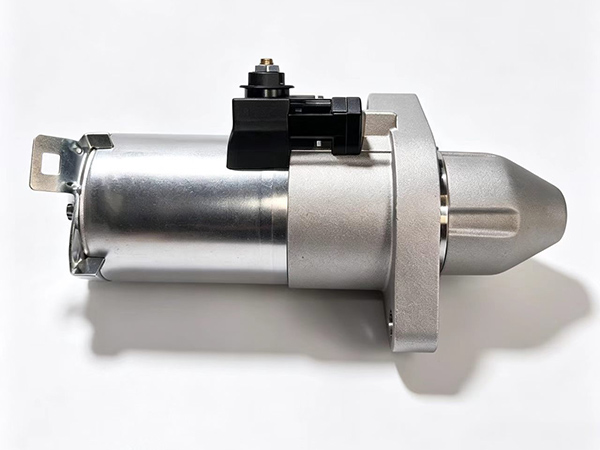
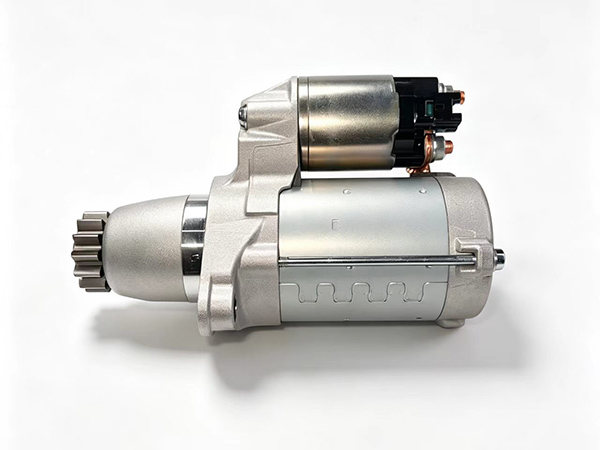
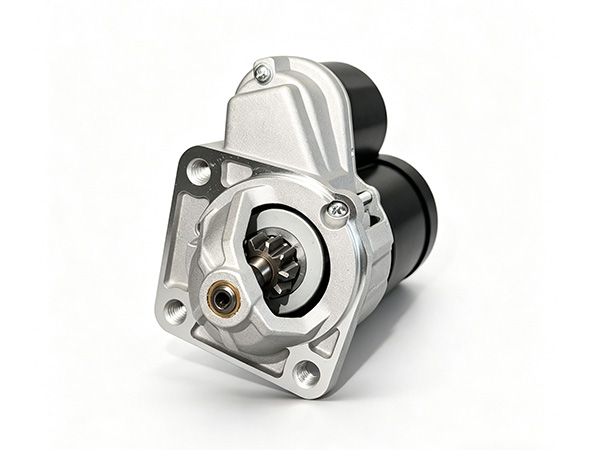
2026-09-01A reduction gear starter motor,also known as gear‑reduction starter,is a widely‑used modern DC starting device that adds an intermediate gear reduction set between the armature and output drive shaft.Unlike traditional direct‑drive starters where the armature shaft directly drives the bendix assembly,this unit uses gear ratios to convert high‑speed low‑torque armature rotation into low‑speed high‑torque output.It has gradually replaced direct‑drive models for most passenger cars,light commercial vehicles,diesel trucks and agricultural machinery due to its advantages in size,weight and cranking performance.
The core of its design lies in the planetary or offset gear reduction mechanism.The armature spins at very high rotational speed.The reduction gears slow down the output shaft speed while multiplying torque output.Typical reduction ratios range from 3:1 up to 5:1.Thanks to torque amplification,the armature can be built smaller and lighter.Manufacturers do not need large,heavy windings to achieve sufficient cranking force.As a result,reduction gear starters feature compact housing and lower overall weight,bringing benefits for engine‑bay layout and installation flexibility.
Two common gear structures are adopted in mass production.Planetary gear reduction is the most popular form.Multiple planet gears rotate around a central sun gear inside a fixed ring gear.This compact concentric layout fits neatly inside the starter housing.Offset gear reduction places gear sets off‑center,which is mainly used for heavy‑duty models with special mounting space limits.Gear components are made of high‑strength alloy steel to withstand shock loads during engine cranking.
Compared with direct‑drive starters,it delivers obvious practical benefits.It generates greater cranking torque with less battery current draw,easing startup under cold‑weather conditions.The smaller‑size motor body saves engine compartment space.However,the added gear train introduces new wear parts.Gear tooth chipping,abrasion and lubricant degradation become potential failure points.Regular heavy impact during engagement will accelerate gear wear.Proper grease filling during production or rebuild is essential for long service life.
Reduction gear starters fit both 12‑volt light‑duty and 24‑volt heavy‑duty applications.Diesel engines especially benefit from boosted torque to overcome high compression pressure.When purchasing replacement starters,buyers cannot tell reduction‑gear types only from appearance.They need to refer to OEM part numbers or product specifications.End‑users should also note that reduction‑gear starters are not always interchangeable with old direct‑drive units,even if mounting holes seem similar.Mismatched gear‑reduction parameters will lead to insufficient cranking power or premature component damage for automotive and industrial equipment.
Google Academic Citation Formats
APA 7th Edition
Chaudhary,K.(2023).Design and performance of reduction‑gear automotive starter motors.*Journal of Vehicle Powertrain Components*,8(3),64‑71.
MLA 9th Edition
Chaudhary,Ketan.“Design and Performance of Reduction‑Gear Automotive Starter Motors.”*Journal of Vehicle Powertrain Components*,vol.8,no.3,2023,pp.64‑71.
IEEE Format
[1]K.Chaudhary,“Design and performance of reduction‑gear automotive starter motors,”*J.Veh.Powertrain Compon.*,vol.8,no.3,pp.64‑71,2023.