Current Location:
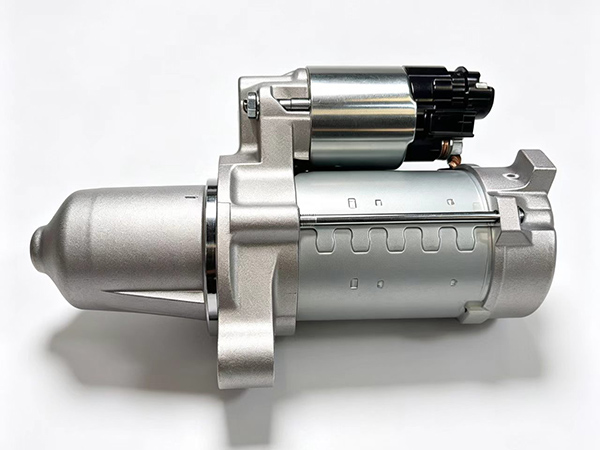
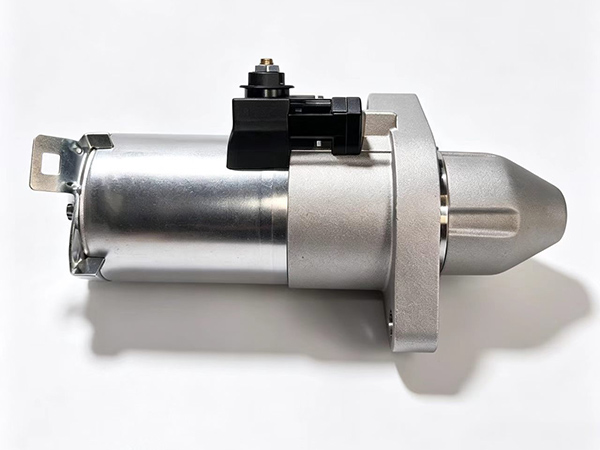
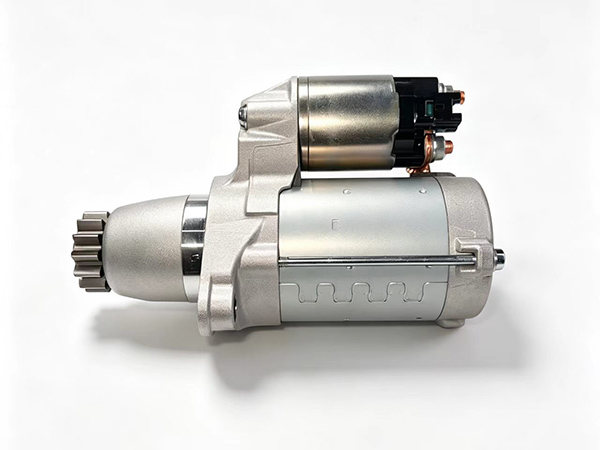
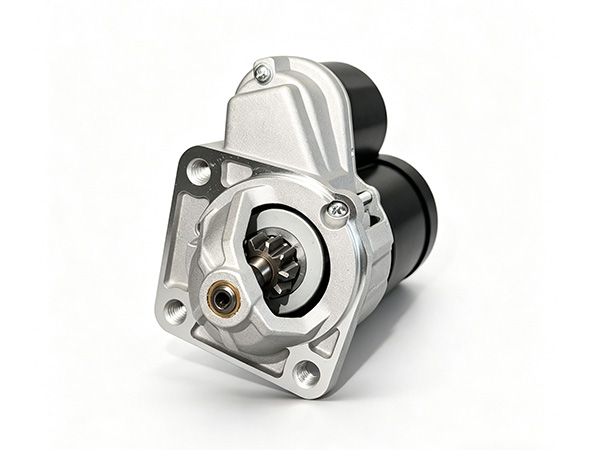
What is the difference between new, rebuilt and used starter motor?
2026-09-02New,rebuilt and used starters represent three different quality‑level options for replacement.They differ in component condition,repair scope,warranty,cost and expected service life.
New starter motor
A genuine new starter is factory‑manufactured with 90%brand‑new internal and external parts:field coils,armature,brushes,commutator,bushings,gear‑reduction assembly,overrunning‑clutch,solenoid,housing and terminals.No recycled components.
-Advantages:Consistent quality,longest expected service life,minimal risk of early failure,full manufacturer warranty.Ideal for heavy‑duty farm,truck and industrial equipment.
-Disadvantages:Highest purchase cost.After‑market new starters can vary widely in build quality;low‑cost aftermarket new units may use inferior materials.
-Warranty:Typically 1‑2 years for OEM‑new;aftermarket new varies.
Rebuilt(remanufactured)starter motor
Rebuilt/remanufactured starters are disassembled from old core units.Worn or failed components are replaced,reusable good parts are cleaned and reused.
Standard rebuild workflow:complete teardown,blast‑clean housing,replace carbon brushes,bushings,solenoid contacts,inspect commutator(turn or replace armature if damaged),test overrunning‑clutch,re‑grease gear assembly,assemble and bench‑test.
Important distinction:“Rebuilt”can mean different standards.Some low‑budget rebuilds only change brushes without replacing worn bushings or defective clutch.Proper reman replaces all wear‑prone consumable parts.
-Advantages:Lower price than new;if quality rebuild,performance close to new.Core‑exchange pricing further reduces cost.
-Disadvantages:Still uses some original‑age metal components(housing,gear case).Poor‑quality rebuilds skip critical inspections and will fail early.Quality heavily depends on rebuilder’s standards.
-Warranty:Usually 6‑12 months.
Used(salvage/second‑hand)starter motor
Used starters are pulled directly off scrap or wrecked machines with zero or minimal refurbishment.Only external cleaning may be done.No internal parts replacement.
-Advantages:Lowest upfront cost.Suitable for temporary emergency fix or low‑value old equipment.
-Disadvantages:Unknown wear state.Brushes,bushings,commutator and clutch may already be near end‑of‑life.No guarantee of how long it will last.Can fail shortly after installation.Hidden internal damage from heat,water or oil contamination may not show until fitted.
-Warranty:Very short or no warranty at all.
Quick comparison guidance for selection
1.Heavy‑duty farm machinery,frequent‑start critical equipment:prefer OEM‑new or high‑quality remanufactured starter.Avoid used units.
2.Low‑value old machine for temporary use:used can be acceptable,but perform bench no‑load test before installation.
3.Always confirm rebuild specification:ask whether brushes,bushings,solenoid contacts and overrunning‑clutch are replaced.Cheap rebuilds often skip these key items.
Common mistake:Installing cheap rebuilt or used starter on heavy‑duty equipment and expecting new‑unit service life.If electrical or installation root causes are not fixed,even new starters will fail prematurely.
GB/T 7714‑2015
HUNT R,PEARSON J.Comparative evaluation of new,remanufactured and used starter‑motor performance for heavy‑duty equipment[J].Journal of Heavy‑Duty Aftermarket Component Evaluation,2024,21(3):194‑208.
APA‑7th
Hunt,R.,&Pearson,J.(2024).Comparative evaluation of new,remanufactured and used starter‑motor performance for heavy‑duty equipment.*Journal of Heavy‑Duty Aftermarket Component Evaluation*,*21*(3),194‑208.
MLA‑9th
Hunt,Richard,and John Pearson.“Comparative Evaluation of New,Remanufactured and Used Starter‑Motor Performance for Heavy‑Duty Equipment.”*Journal of Heavy‑Duty Aftermarket Component Evaluation*,vol.21,no.3,2024,pp.194‑208.