Current Location:
Automotive Starter Motor: Applications, Types and Selection Guide
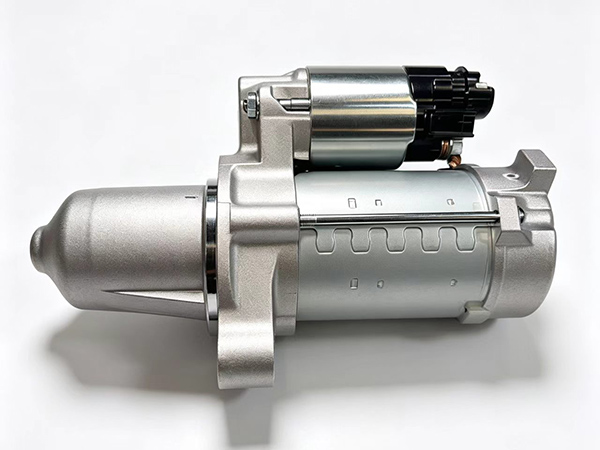
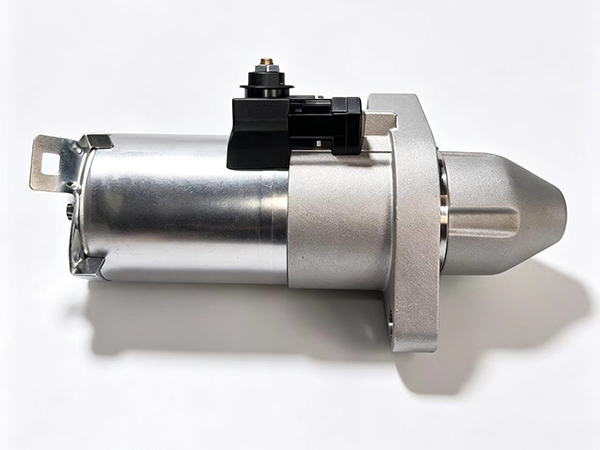
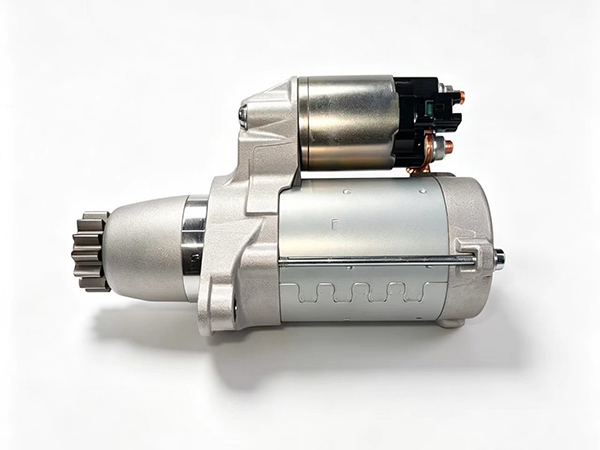
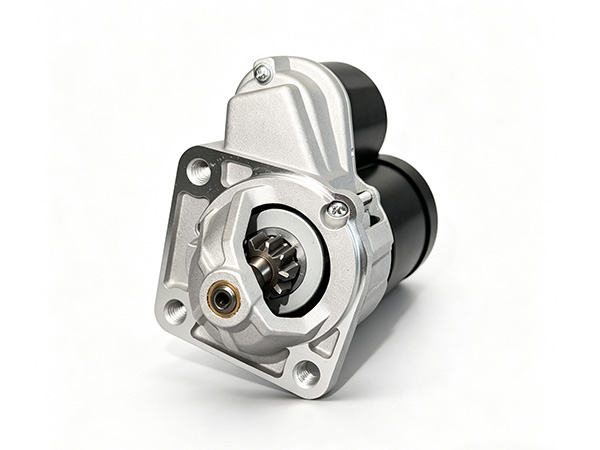
2026-10-14An automotive starter motor converts battery energy into the mechanical cranking torque needed to spin an internal combustion engine up to its self-sustaining speed. The driver turns the key or presses the button, current flows to the solenoid, the pinion engages the engine's ring gear, and the motor rotates the crankshaft until combustion takes over. At a system level, the starter sits between the battery, the ignition circuit, and the flywheel, and its reliability sets the tone for the whole vehicle's dependability.
For buyers, fleet engineers, and procurement teams, the starter is rarely a one-size product. Voltage, torque, and packaging vary widely between a compact passenger car, a long-haul truck, a wheel loader, or a marine genset. This guide walks through starter motor applications, the principal starter motor types, and a structured starter motor selection guide you can apply before requesting a quote.
Starter Motor Applications
The demands placed on a starter are defined less by its internal design than by where and how often it must work. Below are the main application segments and the engineering pressures each one creates.


Passenger Cars
In passenger vehicles, the automotive starter motor typically runs on a 12V system and faces moderate cranking loads with frequent, short start cycles. Space and weight matter, so compact permanent-magnet designs dominate the modern light-vehicle market. The priority is smooth engagement, low noise, and long service life under a high number of start-stop cycles in urban driving.
Light Commercial Vehicles
Vans and light trucks share the 12V architecture of cars but carry heavier engines and longer duty expectations. A starter motor for trucks in the light segment usually needs more cranking torque and a more robust pinion drive than a car unit, while still fitting a relatively compact engine bay.
Heavy-Duty Trucks and Buses
Heavy-duty applications are where voltage and torque scale up sharply. Large diesel engines have high compression and substantial rotational inertia, so they require 24V systems and gear-reduction starters that multiply motor torque at the pinion. Duty cycles include repeated cold starts, long idle periods, and demanding stop-start delivery or transit schedules. Reliability is critical because a single failed start can ground a vehicle and disrupt an entire route.
Off-Highway, Construction and Agriculture
Excavators, loaders, tractors, and harvesters operate in dusty, vibration-heavy, and often wet environments. Cranking torque must be delivered against large-displacement diesels, and the unit must tolerate shock, contamination, and temperature swings. Sealed connectors, reinforced housings, and corrosion-resistant finishes are common expectations rather than options.
Marine
Marine starters drive inboard diesels and auxiliary gensets where salt spray, humidity, and vibration are constant. Sealing against moisture and corrosion resistance are central concerns, and many marine cranking motors are finished to resist the environment rather than meet only generic automotive specs.
Stationary and Industrial Engines
Gensets, pump drives, compressors, and other stationary engines may start only occasionally but must start reliably after weeks of standby. The challenge is storage life, resistance to condensation, and consistent cranking after long idle. Industrial setups may use 24V or higher cranking supplies.
Starter Motor Types
Understanding starter motor types comes down to how each design delivers torque from the electric motor to the engine ring gear. The three widely referenced families are direct-drive, gear-reduction, and permanent-magnet gear-reduction, with voltage as a cross-cutting variable.
Direct-Drive (DD) Starter
A direct drive starter couples the armature shaft straight to the pinion through the engagement mechanism, with little or no gearing between the motor and the ring gear. The motor itself must spin fast and produce enough torque at the shaft to crank the engine.
Advantages: simple construction, fewer gears, easy to service, and historically inexpensive to produce. Disadvantages: larger and heavier for a given cranking output, higher current draw, and less suited to the high-torque, low-package demands of modern engines. You still find DD units on older vehicles, certain heavy equipment, and applications where simplicity and parts commonality outweigh weight.
Gear-Reduction (GR) Starter
A gear reduction starter places a reduction gear set between the high-speed motor and the output pinion. The motor can run smaller and faster while the gear train multiplies torque at the ring gear, so a compact, lighter motor delivers the cranking power a big engine needs.
Configurations include offset and inline arrangements, but the principle is the same: trade rotational speed for usable cranking torque. Advantages: high torque in a smaller package, lower current draw, better cold-cranking performance. Disadvantages: more parts, more precise assembly, and slightly higher unit cost. This design is standard on many modern cars and on the majority of starter motor for trucks and heavy diesels because the torque multiplication is essential.
Permanent-Magnet Gear-Reduction (PMGR) Starter
A permanent magnet starter of the gear-reduction type replaces the wound field coils with permanent magnets. Combined with the reduction gear set, the PMGR unit is compact, light, and efficient, which is why it is the default for a large share of contemporary passenger cars and light vehicles.
Advantages: smaller size and weight, strong torque density, good efficiency. Disadvantages: permanent magnets can be sensitive to high temperature and physical shock if the housing is compromised, and the design is less tolerant of extreme abuse than some heavy-duty wound-field units. For mainstream automotive use, PMGR is usually the right balance.
12V vs 24V Systems
The 12V vs 24V starter choice is not a matter of preference but of engine class. Light vehicles use 12V; medium and heavy commercial, off-highway, marine, and industrial diesels commonly use 24V to keep cranking current manageable while delivering the torque large displacements demand. Specifying the wrong system voltage is a fundamental error that prevents the unit from being usable at all. Always confirm the vehicle or engine's rated cranking voltage before selection.
Starter Motor Selection Guide
A practical starter motor selection guide starts from the application and works backward to the part. The following checklist covers the parameters that most often decide fit and performance.
Determine the voltage. Confirm 12V or 24V from the battery system and the engine spec. This is the first filter for any candidate unit.
Estimate required cranking power and torque. Larger displacement, higher compression, and colder climates raise the torque needed at the ring gear. Where exact figures are unavailable, match against the original equipment rating or a verified reference number.
Match the mounting flange and bolt pattern. Starter mounts differ by engine family. The flange type, bolt hole spacing, and clocking must align with the engine block.
Confirm pinion teeth count and rotation. The pinion must mesh correctly with the ring gear. Teeth count, module, and rotation direction (CW or CCW) are non-negotiable fit parameters.
Check the nose and overall configuration. Offset, inline, and nose shape affect clearance in the bellhousing and against adjacent components.
Cross-reference the OEM or reference number. The most reliable way to confirm fit is the original equipment part number or a trusted interchange reference.
Weigh the operating environment. Dust, moisture, vibration, and temperature should drive choices on sealing, finish, and duty rating.
Decide between new and remanufactured. A remanufactured automotive starter motor restores a used core to specification through cleaning, inspection, replacement of worn parts, and testing. For many fleets and resellers it is a sound way to control cost while retaining performance, provided the remanufacturer's process is documented and the unit is tested.
Common Selection Mistakes
Most starter fitment problems trace back to a short list of avoidable errors:
Mismatched rotation. Fitting a clockwise unit where counterclockwise is required (or vice versa) simply will not engage the ring gear correctly. Rotation direction must be confirmed, not assumed.
Wrong pinion teeth or module. A pinion that does not match the ring gear pitch or tooth count will not mesh, causing grinding, no engagement, or damage.
Ignoring ambient temperature. Cold climates raise cranking resistance and battery internal resistance. A unit sized only for mild conditions may struggle in winter fleets or high-altitude operations.
Overlooking mounting specifics. Two starters with identical torque ratings can still be physically incompatible because of flange, bolt pattern, or nose differences.
Treating voltage as interchangeable. A 12V unit cannot substitute for a 24V requirement, and forcing it risks damage to the motor and the vehicle electrical system.
Buyer Checklist
Before issuing a purchase order or request for quotation, a buyer or engineer should be able to confirm each of the following:
The exact cranking voltage (12V or 24V) of the target vehicle or engine.
The required mounting flange, bolt pattern, and clocking.
Pinion teeth count, module, and rotation direction.
The OEM or cross-reference part number where available.
The operating environment and any sealing or finish requirements.
Whether new or remanufactured starter motors best fit the budget and reliability target.
A supplier that can state its testing and remanufacturing process rather than only a price.
For organizations sourcing at volume, a supplier with a complete remanufacturing chain can support consistency across a mixed fleet. Cangzhou Shuomei Automotive Parts Co., Ltd., based in Hejian, Hebei, China, is one such manufacturer focused on remanufactured starter motors, with a full remanufacturing process from core to finished unit.
Conclusion
Selecting the right automotive starter motor is less about picking a single model and more about matching voltage, torque, mounting, pinion, and environment to the engine and duty cycle. Passenger cars favor compact permanent-magnet gear-reduction units; heavy trucks, buses, off-highway, marine, and industrial engines push toward 24V gear-reduction designs built for torque and durability. A disciplined starter motor selection guide and a careful buyer checklist prevent the most common and costly fitment mistakes.
If you are specifying starters across a fleet or building a sourcing shortlist, review the ranges and remanufacturing capabilities available from Cangzhou Shuomei Automotive Parts Co., Ltd. Learn more about their remanufactured starter motors and full remanufacturing chain at https://www.shuomei-autoparts.com.
Frequently Asked Questions
What is the difference between a direct-drive and a gear-reduction starter?
A direct drive starter connects the armature to the pinion with little or no gearing, so the motor must itself produce the cranking torque. A gear reduction starter uses a gear set to multiply motor speed into higher pinion torque, allowing a smaller, lighter motor to crank large engines. Gear-reduction designs dominate modern and heavy-duty applications for that reason.
How do I choose between a 12V and 24V starter motor?
The choice follows the vehicle or engine's cranking system. Most passenger cars and light vehicles use 12V. Medium and heavy trucks, buses, off-highway equipment, marine diesels, and many industrial engines use 24V to deliver the needed cranking torque without excessive current. Always confirm the system voltage before selecting a unit, because 12V and 24V starters are not interchangeable.
What is a permanent magnet starter and where is it used?
A permanent magnet starter of the gear-reduction type uses permanent magnets instead of wound field coils, producing a compact, light, efficient unit with strong torque density. It is widely used in modern passenger cars and light vehicles where package size and weight matter most.
What are the most common starter motor fitment mistakes?
The frequent errors are mismatched rotation direction, wrong pinion teeth or module, ignoring ambient temperature and cold-cranking needs, overlooking mounting flange and bolt-pattern differences, and assuming 12V and 24V units are interchangeable. Each of these can prevent correct engagement or cause premature failure.
Is a remanufactured starter motor a reliable choice?
A properly remanufactured automotive starter motor is restored to specification through disassembly, cleaning, inspection, replacement of worn components, and testing. For many fleets and resellers it controls cost while keeping performance, provided the remanufacturer documents its process and tests the finished unit. Specific performance claims should be confirmed with the supplier for a given part number.
References
Bosch Automotive Handbook, Robert Bosch GmbH — standard reference for automotive electrical systems, including starting systems and cranking parameters.
Hillier, V.A.W., Fundamentals of Motor Vehicle Technology — foundational text on starter motor construction, engagement mechanisms, and vehicle electrical systems.
SAE International, SAE J542 "Starters—Engine, Electric, Direct Cranking, 12-Volt" and related ground vehicle starting standards — defines starter performance and interface requirements.
Denso Corporation, Starter Motor Technical Guide — manufacturer technical documentation on starter types, reduction gear designs, and application considerations.
IEEE Xplore, published papers on automotive starting system design and electric machine efficiency — supporting engineering context for starter motor operation.