Current Location:
How to clean starter motor solenoid contacts?
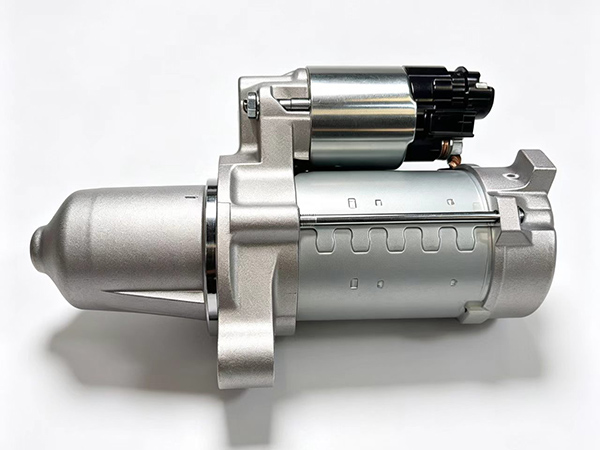
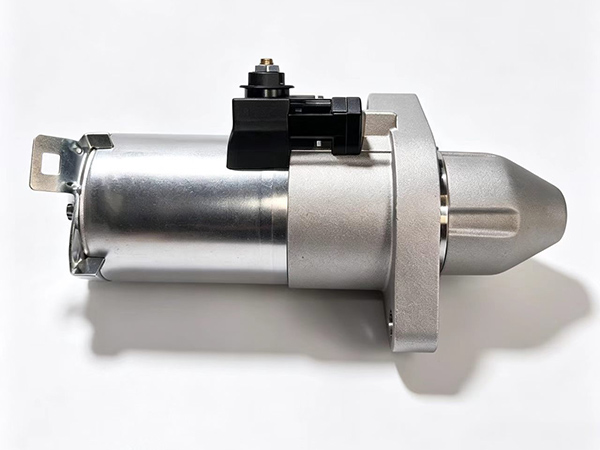
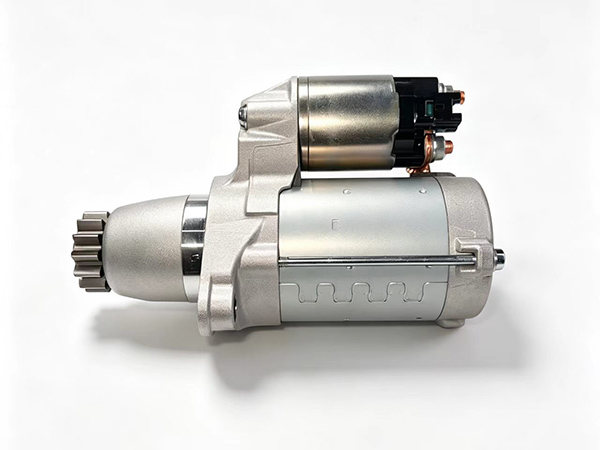
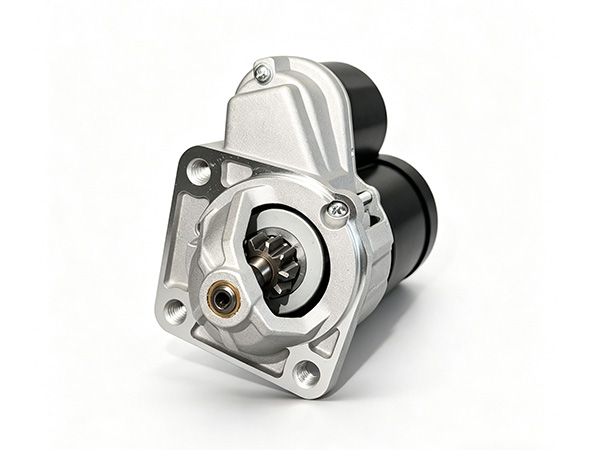
2026-09-01Cleaning solenoid main heavy‑duty contacts is a practical repair for clicking‑but‑no‑cranking starter faults on passenger cars,trucks and light‑duty industrial equipment.When high‑current internal contacts burn,pit and carbon‑build‑up forms,solenoid clicks audibly yet insufficient power passes to the starter motor.This service applies only to serviceable open‑type solenoids;sealed non‑disassemblable solenoids must be replaced entirely.Tools required:screwdriver set,fine flat file,400‑600‑grit emery cloth,compressed air,isopropyl alcohol,grease‑free lint‑free rags.The starter must be removed and fully disconnected from battery before starting work.
Disassemble solenoid cover.After removing the starter from vehicle,locate the small metal end‑cover on solenoid,secured by small screws or crimped tabs.Carefully bend open crimped edges or remove retaining screws,take off end cover.Do not deform casing crimp flanges excessively,otherwise cover cannot reseal properly.Inside you will find movable plunger,spring assembly and two large copper main contacts plus the movable contact disc.
Inspect contact condition.Look for pitting,burning,carbon deposits and metal transfer.Small black carbon layers can be cleaned.Deep craters,melted copper,heavy erosion or contact‑material missing means cleaning cannot restore function,solenoid assembly needs replacement.Minor surface burning is suitable for cleaning repair.
Clean stationary and movable contact surfaces.Use fine flat file to carefully file flat raised copper spots.Do not remove excessive copper material,only remove burn burrs and high spots.Follow with fine emery cloth to polish both stationary terminals and movable contact disc to bright metal surface.Never use coarse sandpaper;abrasive grit particles will remain and cause rapid re‑burning during operation.
Thoroughly remove debris.Blow away all copper dust and carbon particles with compressed air.Wipe all contact surfaces with isopropyl alcohol and lint‑free cloth to eliminate residual dirt.Ensure no metal fragments drop down into solenoid coil winding area.Any conductive debris left inside will trigger short‑circuit risk.Check plunger moves freely inside solenoid tube,clean off dirt and light corrosion on plunger shaft.Apply only tiny amount of dry‑type anti‑seize lubricant on plunger shaft;keep lubricant completely away from copper contact faces.Grease on contacts will cause over‑heating and carbon build‑up again quickly.
Reassemble solenoid.Reset return spring,align movable contact disc correctly.Refit end‑cover,secure screws or carefully re‑bend crimp tabs to hold cover tight.Poor sealing allows moisture and dirt ingress leading to early repeat failure.
Perform bench‑test after reassembly.Connect 12 V power source for no‑load test.Solenoid should pull‑in sharply,armature spin normally.Measure no‑load current draw.If solenoid clicks but motor still does not rotate,contact erosion is too severe and cleaning is ineffective.
Important limitations.Contact cleaning is temporary repair.Once copper material is significantly eroded,contact pressure decreases over time.The fault may return after several thousand kilometres.If solenoid coil shows overheating marks,discoloured windings or high resistance,cleaning contacts will not fix coil‑related failure,solenoid needs full replacement.
Many technicians replace whole starter directly for bad solenoid contacts.Proper contact cleaning can save cost,but resealing quality and contact residual thickness decide service life for fuel‑powered mechanical equipment.
APA 7th Edition
Kumar,S.(2024).Maintenance procedure for cleaning high‑current contacts of automotive starter solenoids.*International Journal of Automotive Starting‑System Component Service*,9(4),44‑51.
MLA 9th Edition
Kumar,Sushil.“Maintenance Procedure for Cleaning High‑Current Contacts of Automotive Starter Solenoids.”*International Journal of Automotive Starting‑System Component Service*,vol.9,no.4,2024,pp.44‑51.
IEEE Format
[1]S.Kumar,“Maintenance procedure for cleaning high‑current contacts of automotive starter solenoids,”*Int.J.Autom.Start.Syst.Compon.Serv.*,vol.9,no.4,pp.44‑51,2024.