Current Location:
Starter Motor: Working Principle, Components and Applications
2026-09-22The starter motor is one of the smallest yet hardest-working electrical machines on any vehicle. Every time a driver turns the ignition key or presses a start button, this unassuming cylindrical component must bring a stationary internal combustion engine up to cranking speed within a fraction of a second, against compression pressure, friction, and the resistance of cold, viscous oil. When it works, nobody notices it. When it fails, the vehicle does not move.
This complete technical overview is written for automotive engineers, fleet maintenance teams, procurement managers, and aftermarket buyers. It covers what a starter motor is, why the starting system depends on it, the starter motor working principle step by step, the major starter motor components, common types on the market, real-world starter motor applications, and the factors to weigh when selecting a replacement unit or a supplier.


What Is a Starter Motor?
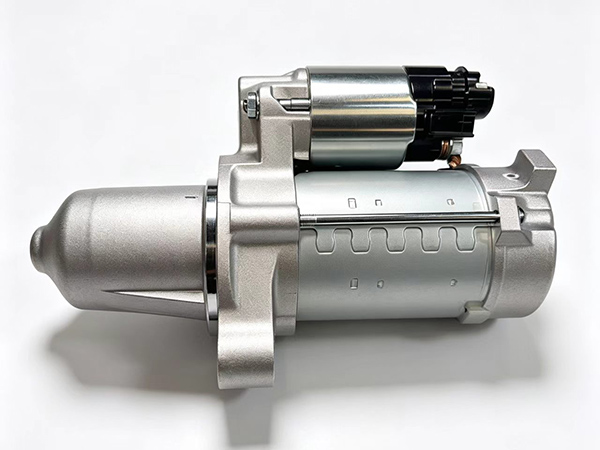
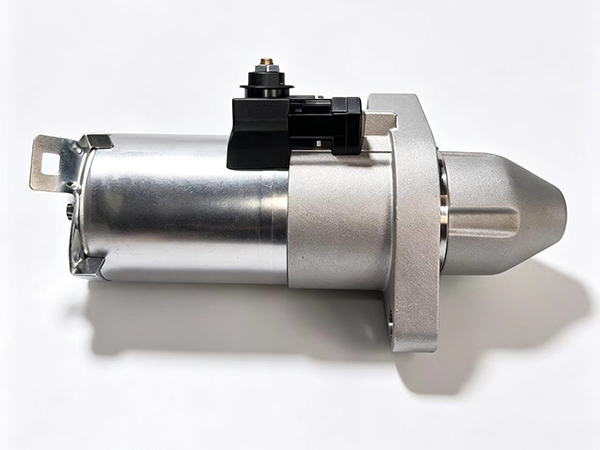
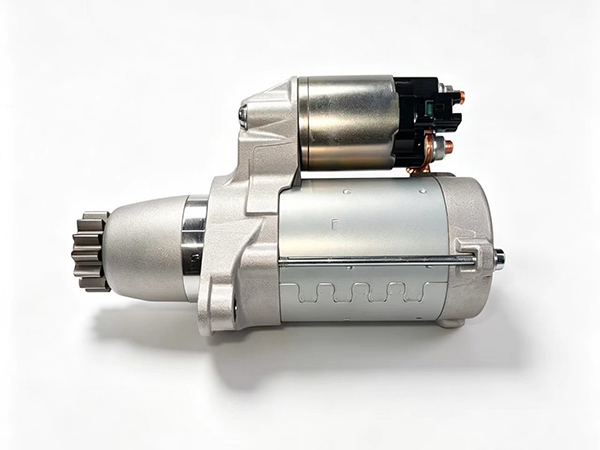
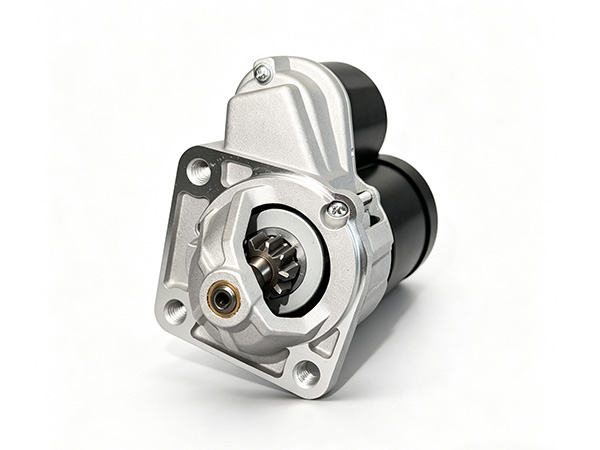
A starter motor is a direct-current (DC) electric motor designed specifically to crank an internal combustion engine until it can run under its own power. It is a central element of the automotive starter system, which also includes the battery, the start switch, the control circuit, battery cables, and the ring gear on the engine flywheel.
Because an engine cannot begin the combustion cycle by itself, something external must first rotate the crankshaft. The starter motor converts electrical energy stored in the battery into mechanical torque at the flywheel. Its defining engineering requirement is high torque at very low speed: a starter must deliver strong twisting force from a dead stop, the instant current flows.
In common usage the terms car starter, auto starter, and starter motor are interchangeable. The same fundamental machine appears in cars, trucks, buses, tractors, construction equipment, marine engines, and generator sets, differing mainly in voltage, power class, mounting arrangement, and environmental protection.
Why the Starter Motor Matters
An engine will not fire until the crankshaft reaches a minimum speed at which the air-fuel mixture can be compressed and ignited reliably. The starter motor must overcome three distinct loads during cranking: the compression pressure of the cylinders, internal mechanical friction, and the fluid friction of engine oil, which rises dramatically in cold weather. Diesel engines, with higher compression ratios, demand more cranking effort than gasoline engines of similar size.
This makes starter reliability a critical operational concern, particularly for commercial fleets, off-highway machinery, and marine operators, where a no-start condition means expensive downtime. The starter is also the most electrically demanding component during operation, so its condition is closely tied to battery health, cable condition, and grounding quality.
Starter Motor Working Principle
The starter motor working principle combines electromagnetism, mechanical gearing, and precise switching in one coordinated sequence. The full cranking cycle can be described as follows:
Control signal. Turning the key or pressing the start button energizes the solenoid winding with a low-current signal.
Pinion engagement. The energized solenoid pulls a plunger inward; a shift lever slides the drive pinion along the motor shaft so its teeth mesh with the engine's ring gear.
Main contact closure. As the plunger nears the end of its travel, it closes heavy-duty copper contacts inside the solenoid, connecting the battery directly to the motor. Contact sequencing ensures the pinion meshes before full power is applied.
Rotation and cranking. High current flows through the motor and rotates the armature; torque passes through the drive mechanism to the pinion and ring gear, spinning the engine at cranking speed.
Engine start and freewheel. Once the engine fires, the one-way overrunning clutch lets the pinion freewheel instead of being driven at engine speed.
Disengagement. When the driver releases the key or the start circuit opens, the solenoid de-energizes and a return spring opens the main contacts and retracts the pinion.
Two electromagnetic details make this possible. First, most conventional starters use a series-wound motor in which the field windings carry the same current as the armature. Because magnetic field strength rises with current, a series motor produces exceptionally high torque at standstill. Second, the solenoid performs two jobs with one plunger: mechanical engagement of the pinion and electrical closure of the main circuit.
Engagement systems differ by era and design. Older vehicles often used an inertia-style Bendix drive, in which the pinion is thrown into mesh by its own rotational inertia. Modern vehicles overwhelmingly use pre-engaged solenoid shift systems with an overrunning clutch, which mesh the pinion gently before power is applied and disengage automatically after the start.
Core Components of a Starter Motor
The starter motor components described below are common to nearly every design, whether a compact permanent-magnet unit for a small passenger car or a large series-wound motor for a heavy diesel. Understanding each part is essential for specifying replacements, evaluating remanufactured units, and diagnosing faults.
Armature
The armature is the rotating assembly at the heart of the motor. It consists of a laminated steel core, copper windings, and a commutator, all mounted on a shaft. When current flows through the armature windings, they generate a magnetic field that interacts with the stationary field of the stator, producing torque. The shaft carries the drive pinion at its output end and rotates on bushings or bearings in the end frames.
Field Windings and Poles
The stator creates the stationary magnetic field against which the armature works. High-output starters typically use electromagnet field windings wound around iron pole pieces. Because these windings are connected in series with the armature, they deliver the rising torque characteristic needed for cranking. Smaller modern starters often replace the windings with permanent magnets, which are lighter, more efficient, and cooler at equivalent output.
Commutator and Brushes
The commutator is a cylindrical assembly of copper segments on the armature shaft. Carbon brushes, held in brush boxes by springs, press against the commutator and carry current from the stationary wiring into the rotating armature windings. As the armature turns, the commutator switches current between coils so torque direction stays constant. Brushes are a normal wear item; a starter with worn brushes may crank slowly or not at all.
Solenoid
The solenoid is the starter's switch and engagement actuator combined. It houses an electromagnetic coil and a movable plunger connected to the shift lever. Its windings draw a modest control current, while the contacts it closes must carry the full cranking current, which can reach several hundred amperes for a few seconds. Its pull-in and hold-in windings produce a powerful initial pull, then hold the plunger with less current once the main contacts close.
Drive Mechanism and Pinion
The drive mechanism transfers motor torque to the engine. It includes the pinion gear, a one-way overrunning clutch, and the helical-spline shaft that connects it to the armature. During engagement the pinion slides into mesh with the ring gear; during cranking the clutch locks and transmits torque; and after the engine starts the clutch releases so the pinion can spin freely above motor speed. A worn drive is a common cause of grinding noises, free-spinning starters, and intermittent no-start conditions.
Housing, Bearings, and Frame Parts
The yoke or frame houses the field assembly, while the commutator end frame and drive end frame support the shaft and carry the brushes and lever mechanism. Sintered bronze bushings or ball bearings support the armature, and the mounting flange positions the motor precisely so the pinion aligns with the ring gear. Through-bolts hold the assembly together. In a properly rebuilt starter motor assembly, all of these mechanical parts are inspected, machined, or replaced so that alignment, clearances, and contact pressure meet the original design intent.
Types of Starter Motors
Starter motors are classified mainly by their internal drive and field design. Each type balances torque, size, weight, cost, and durability differently, differences that matter for both engineering and purchasing decisions.
Direct-Drive Starter Motors
In a direct-drive starter, the armature shaft turns the pinion through the drive mechanism with no intermediate gearing. The pinion engages the ring gear directly. This design is simple, rugged, and inexpensive to manufacture, which is why it dominated for decades. Its main drawback is size and weight: high torque at pinion speed requires a large, heavy motor.
Gear-Reduction Starter Motors
A gear-reduction starter places a planetary gear set between the armature and the pinion. The motor spins faster while the gears multiply torque, allowing a much smaller, lighter motor to deliver the same cranking power, with easier installation in tight engine bays, lower current draw, and faster pinion engagement. Gear-reduction units are now standard on most modern passenger vehicles and many commercial applications.
Permanent-Magnet Starter Motors
Permanent-magnet starters replace field windings with magnets, eliminating the field coil current path and the heat it generates. They are compact and efficient, and most are built with gear reduction for additional torque multiplication. Light-duty and mid-range applications favor them, while very large diesel engines still rely on series-wound field designs for the extreme torque those engines require. Many heavy-duty applications also use 24-volt systems, roughly doubling the electrical pressure available for cranking compared with the 12-volt systems typical of passenger vehicles.
Starter Motor Applications
Starter motor applications span virtually every engine that must start on demand. The core requirements, reliable high-torque cranking and clean disengagement, remain the same across industries, but each environment adds its own constraints.
Passenger vehicles and light trucks. Compact gear-reduction starters crank gasoline and small diesel engines on 12-volt systems. Stop-start technology has made starter durability more demanding, since the motor now engages far more often in daily traffic.
Commercial vehicles. Heavy trucks and buses typically run 24-volt systems with higher-power starters built for repeated cranking of large diesel engines, including cold starts after overnight parking.
Off-highway equipment. Agricultural tractors, construction machinery, and mining equipment need starters that tolerate vibration, dust, and temperature extremes, with heavier-duty drives and protected connections.
Marine engines. Vessels rely on starters for propulsion engines and onboard generator sets, where corrosion-resistant housings, sealed components, and reliability are direct safety considerations.
Stationary power. Generator sets, irrigation pumps, and industrial compressors depend on starters for automatic start and standby operation with minimal supervision.
Key Factors in Selecting a Starter Motor
Whether an engineer is specifying a starter for a new application or a buyer is sourcing replacements for a fleet, several factors determine whether a unit will perform correctly and last; always confirm details against the original equipment specification.
System voltage. Confirm whether the vehicle uses a 12-volt or 24-volt electrical system, and match the motor to it exactly.
Cranking power and torque. Engine displacement, compression ratio, and operating climate set the power class required; high-compression diesels and engines started in cold regions need higher cranking output.
Mounting and dimensions. The mounting flange, bolt pattern, nose-cone length, and pinion position must align the pinion correctly with the ring gear.
Pinion and ring-gear compatibility. Tooth count, pitch, and diameter determine correct meshing; mismatches cause grinding, premature wear, or failure to crank.
Rotation direction. Engine rotation varies with design and installation, so the starter's rotation must match the ring gear orientation.
Operating environment. Marine, agricultural, and off-highway service may demand sealing, corrosion protection, and vibration resistance beyond a standard automotive unit.
Supply and quality assurance. For remanufactured units, ask how cores are processed and verified. A reliable starter motor assembly rebuild follows a defined process covering disassembly, cleaning, parts replacement, reassembly, and performance testing before the unit ships.
Common Signs of Starter Motor Trouble
Recognizing symptoms early prevents secondary damage, such as a worn drive chewing into the ring gear. The most frequent complaints are:
A single click with no cranking, often the solenoid engaging but the motor not turning due to weak battery, corroded connections, or worn brushes.
Rapid repeated clicking, usually indicating insufficient battery voltage reaching the solenoid.
Slow or labored cranking, pointing to battery condition, cable resistance, or internal motor wear.
Grinding during engagement or startup, suggesting a worn pinion, damaged ring gear, or incorrect alignment.
The starter spinning freely without turning the engine, which typically means the drive clutch or pinion mechanism has failed.
Before condemning the starter itself, check battery state of charge, cable connections, and grounding, since electrical supply problems produce symptoms identical to internal starter failure.
FAQ
What does a starter motor do?
A starter motor cranks the engine by rotating the flywheel ring gear until the cylinders can fire and the engine runs on its own. It delivers very high torque for a few seconds, then disengages so the engine does not drive it at high speed.
What is the difference between a starter motor and an alternator?
The two work in opposite directions. The starter motor consumes electrical energy from the battery to rotate the engine during startup; once the engine runs, the belt-driven alternator generates electricity to recharge the battery and power the vehicle's loads. A vehicle needs both, and they are not interchangeable.
Why does my starter click but the engine will not crank?
A click usually means the solenoid is engaging but the motor is not turning. The most common causes are a discharged or weak battery, loose or corroded cables, a poor ground, worn brushes, or failed solenoid contacts. Check the battery and connections first, since supply faults mimic internal starter failure.
What is the difference between a direct-drive and a gear-reduction starter?
A direct-drive starter couples the armature directly to the pinion, making it simple and robust but relatively large and heavy. A gear-reduction starter uses planetary gears to multiply torque, allowing a smaller, lighter motor to produce equal or greater cranking power. Gear-reduction units dominate modern vehicle production.
Can a faulty starter damage other engine parts?
Yes. A drive that fails to disengage can overrun at engine speed, while worn or misaligned pinion teeth can chip the flywheel ring gear, a costly repair. Unusual starting noises should therefore be inspected promptly.
References
Robert Bosch GmbH, Bosch Automotive Handbook, SAE International / Wiley.
Robert Bosch GmbH, Bosch Automotive Electrics and Automotive Electronics, Springer Vieweg.
SAE International, SAE J541, Starting Motor Mounting (Surface Vehicle Recommended Practice).
Hillier, V. A. W., Hillier's Fundamentals of Motor Vehicle Technology, Heinemann Educational.
Denton, T., Automobile Electrical and Electronic Systems, Routledge.
Conclusion
The starter motor is a practical masterclass in electromechanical engineering: a series-wound or permanent-magnet DC motor, a solenoid switch, and a precision drive mechanism working together to deliver enormous torque for a few critical seconds, thousands of times over a vehicle's life. Understanding its working principle, core starter motor components, the differences between direct-drive and gear-reduction designs, and the starter motor applications that shape each variant is the foundation for smart specifying, accurate diagnosis, and confident purchasing.
For engineers and buyers sourcing cranking components, the quality of the unit matters as much as the design. Cangzhou Shuomei Automotive Parts Co., Ltd., based in Hejian, Hebei, China, is a professional manufacturer specializing in remanufactured car starters. The company operates a complete industrial chain covering used-core recycling, disassembly, cleaning, precision refurbishment, assembly, and performance testing, so each rebuilt starter motor assembly is verified before it leaves the factory. If you are evaluating suppliers or need support with starter motor selection, visit www.shuomei-autoparts.com to discuss your requirements.