Current Location:
What causes starter motor grinding noise?
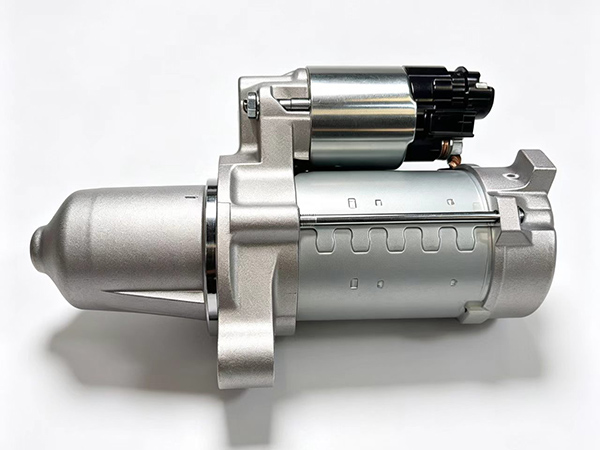
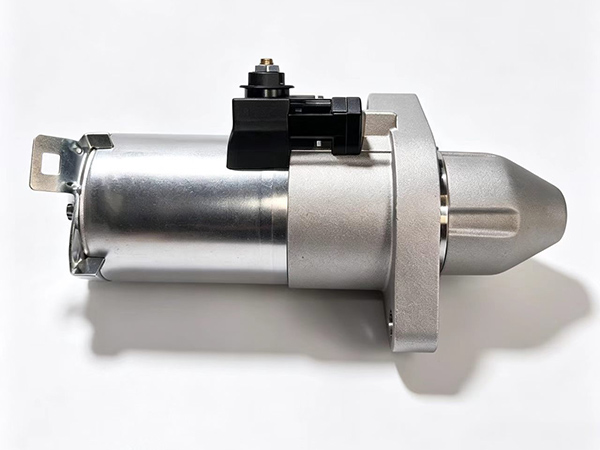
2026-09-01Grinding noise from a starter motor during cranking is a harsh metallic sound generated when pinion gear and flywheel ring gear interact abnormally.This warning symptom frequently occurs in passenger cars,diesel trucks,agricultural and construction machinery.Continuous cranking with grinding noise will chip gear teeth,wear transmission surfaces and produce expensive secondary damage.Operators should avoid repeated start attempts and identify root causes promptly.Grinding noise originates mainly from gear meshing defects,bendix‑drive malfunctions,mounting deviation and component wear.
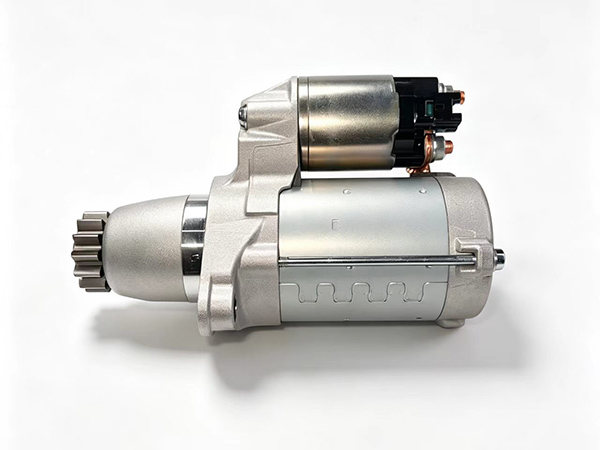
Worn or damaged gear teeth represent one primary cause.After thousands of engagement cycles,impact force abrades tooth surfaces of the starter pinion gear.Tooth tips become rounded,chipped or broken.When the starter pushes the pinion toward the flywheel,damaged teeth cannot slide smoothly into full meshing.Partial tooth‑on‑tooth collision creates loud grinding sound.Meanwhile,the flywheel ring gear also suffers abrasion.If flywheel teeth are distorted or chipped,even a brand‑new starter pinion will produce grinding noise during cranking.
A defective bendix drive is another major source of grinding noise.Corrosion,oil sludge and metal debris contaminate helical splines on the starter output shaft.The bendix drive cannot slide forward fast enough for complete meshing before the armature begins to rotate.The spinning pinion scrapes against stationary flywheel‑gear teeth,generating harsh grinding.Worn internal springs inside the bendix reduce pushing force,limiting full axial travel.In this case,the pinion only partially contacts flywheel teeth instead of locking into proper position.
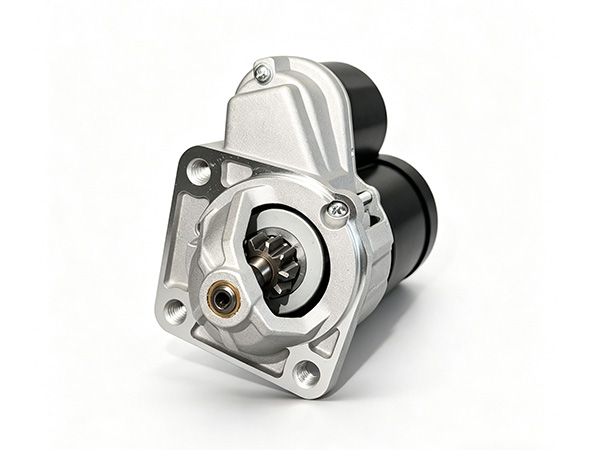
Improper starter installation directly leads to meshing errors.Loose mounting bolts allow slight displacement of the starter housing.Misaligned mounting holes or distorted bell‑housing openings shift the starter position.Small positional deviation changes the gap between pinion gear and flywheel ring gear.Even minor offset will make gear teeth rub against each other instead of deep engagement.Over‑tight or worn starter bearings also cause armature shaft shaking,resulting in gear misalignment and grinding noise.
Solenoid mechanical linkage faults also contribute to this problem.Worn shift lever,weak return spring or mis‑adjusted solenoid stroke delays pinion forward movement.The starter motor starts spinning before the pinion fully meshes with flywheel teeth.Gear‑to‑gear scraping noise appears every cranking cycle.In some cases,after the engine starts,the bendix fails to retract completely.Brief grinding noise can be heard for a short period during engine idle.
When grinding noise occurs,operators must stop cranking right away.Repeated attempts will worsen tooth damage.Maintenance steps include checking starter mounting tightness,removing the starter to inspect pinion‑gear tooth condition,cleaning bendix splines and testing sliding performance.Technicians also need to examine flywheel ring‑gear teeth through bell‑housing inspection holes.Replacing only the starter without checking flywheel condition often fails to eliminate grinding symptoms.Timely troubleshooting protects both starter and costly flywheel assembly and cuts long‑term repair expenses for various internal‑combustion mechanical equipment.
Google Academic Citation Formats
APA 7th Edition
Mehta,S.(2024).Root‑cause investigation of grinding‑noise faults in starter motor assemblies.*Journal of Automotive Mechanical Noise Diagnosis*,8(2),41‑48.
MLA 9th Edition
Mehta,Sagar.“Root‑Cause Investigation of Grinding‑Noise Faults in Starter Motor Assemblies.”*Journal of Automotive Mechanical Noise Diagnosis*,vol.8,no.2,2024,pp.41‑48.
IEEE Format
[1]S.Mehta,“Root‑cause investigation of grinding‑noise faults in starter motor assemblies,”*J.Autom.Mech.Noise Diagn.*,vol.8,no.2,pp.41‑48,2024.