Current Location:
Are remanufactured starter motors reliable?
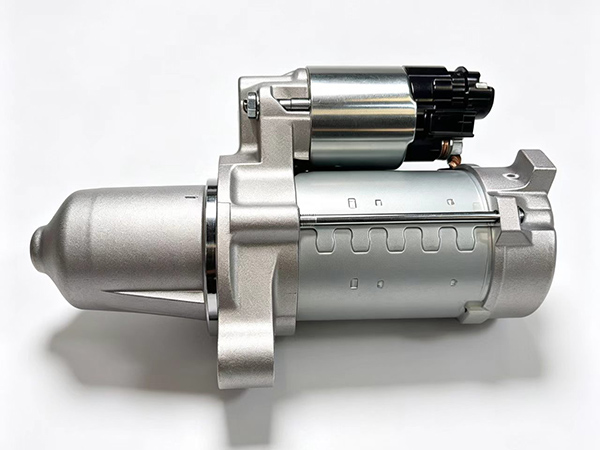
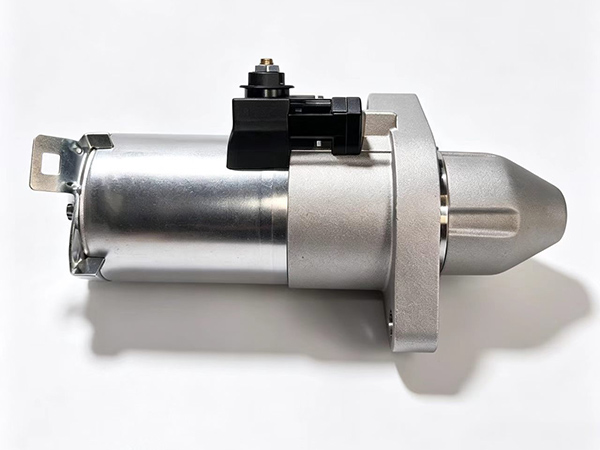
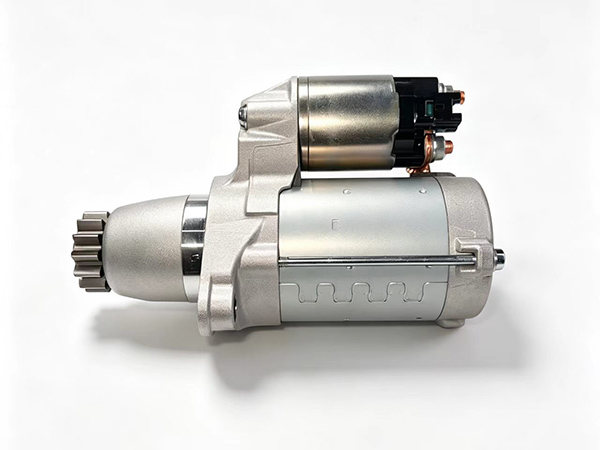
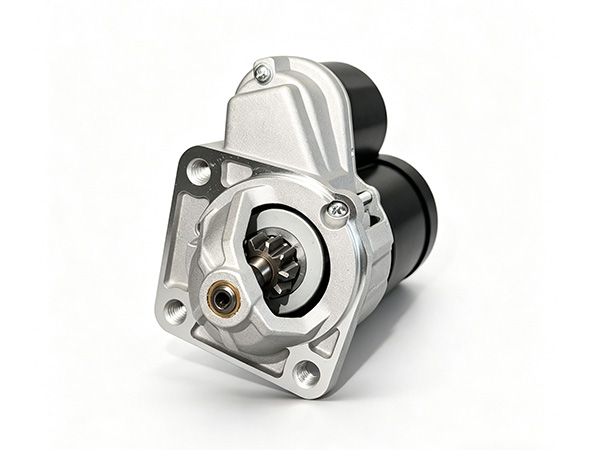
2026-09-02Remanufactured starter motors are widely adopted replacement options in the global machinery and automotive spare‑parts market.Unlike brand‑new units,remanufactured starters are built by disassembling used original starters,inspecting every component,replacing worn‑out parts,reassembling and conducting performance testing.Many equipment operators hold mixed opinions about remanufactured products.Some regard them as cost‑effective alternatives,while others worry about hidden defects and early failure.The reliability of remanufactured starter motors is not fixed;it heavily depends on rebuild standards,component replacement policies,testing procedures and manufacturer quality control.Well‑rebuilt units can deliver near‑OEM performance,while poorly remanufactured ones bring frequent breakdowns and extra maintenance costs.
High‑quality remanufactured starters follow standardized industrial remanufacturing workflows.Core steps include complete disassembly,thorough cleaning of metal housings and shafts,strict inspection for cracks,bending or internal housing damage.Worn consumable parts such as brushes,bearings,solenoid contacts,overrunning clutches and internal copper coils are fully replaced with brand‑new qualified components.Critical gear parts will be checked for tooth wear and micro‑cracks;damaged gears must be swapped out instead of being reused.After assembly,each unit goes through bench tests to verify cranking torque,working voltage,current draw,gear engagement function and cold‑start simulation.Qualified remanufactured starters can achieve service life close to new aftermarket or OEM products at a significantly lower purchase price.For general‑duty engines with normal startup frequency,they become an economical choice for repair shops and fleet operators.
Nevertheless,not all remanufactured starters meet rigorous rebuild standards.Low‑grade remanufacturing skips key inspection and replacement steps to cut costs.Some factories only clean the surface and replace a small number of easily‑worn brushes,reusing aged coils,fatigued clutches and worn pinion gears.Visually,these starters look almost new,yet internal aging defects remain untouched.Once installed on engines,symptoms such as weak cranking,solenoid failure,gear slippage and burning coils may appear after short‑term operation.Poorly remanufactured units may also have unstable torque output,generating abnormal meshing noise and accelerating flywheel ring‑gear abrasion.This is the main source of negative feedback toward remanufactured starter motors in the spare‑parts market.
Several practical factors further influence real‑world reliability.Working conditions matter greatly.Remanufactured starters with formal quality certification perform well on light‑to‑medium‑duty equipment under normal temperature and moderate startup frequency.But for heavy‑duty machinery,marine engines or equipment working in extremely cold,dusty environments with frequent cranking demands,remanufactured products face higher failure risks compared with brand‑new starters.Buyers should also pay attention to warranty policies.Trustworthy remanufacturers provide clear warranty terms,which serve as important proof of product confidence.Products without effective warranty usually hint at insufficient internal quality control.
When purchasing remanufactured starters,buyers need practical judgment principles.First,confirm whether the supplier replaces key vulnerable components rather than merely refurbishing old shells.Second,verify complete bench testing is carried out for every finished unit.Third,cross‑reference OEM part numbers to guarantee mechanical dimension and electrical parameter matching.Avoid ultra‑low‑priced remanufactured goods without quality commitments.When equipment undertakes high‑intensity continuous tasks,brand‑new OEM or premium aftermarket starters remain the safer option.
In conclusion,remanufactured starter motors can be reliable,yet reliability is decided by rebuild quality rather than the“remanufactured”label itself.Properly remanufactured units offer notable cost advantages for ordinary repair scenarios.Low‑cost shoddy remanufactured products carry considerable hidden risks.Purchasers should assess equipment working intensity,supplier qualification and warranty conditions before making procurement decisions,instead of blindly pursuing low prices or completely rejecting remanufactured solutions.
References
APA 7th Edition
Fisher,M.(2025).Reliability evaluation of remanufactured starter motors for internal combustion engines.*Journal of Remanufacturing Technology*,12(1),59‑72.
MLA 9th Edition
Fisher,Mark.“Reliability Evaluation of Remanufactured Starter Motors for Internal Combustion Engines.”*Journal of Remanufacturing Technology*,vol.12,no.1,2025,pp.59‑72,
GB/T 7714‑2015
FISHER M.Reliability evaluation of remanufactured starter motors for internal combustion engines[J].Journal of Remanufacturing Technology,2025,12(1):59‑72.