Current Location:
Can I use higher torque starter motor on standard engine?
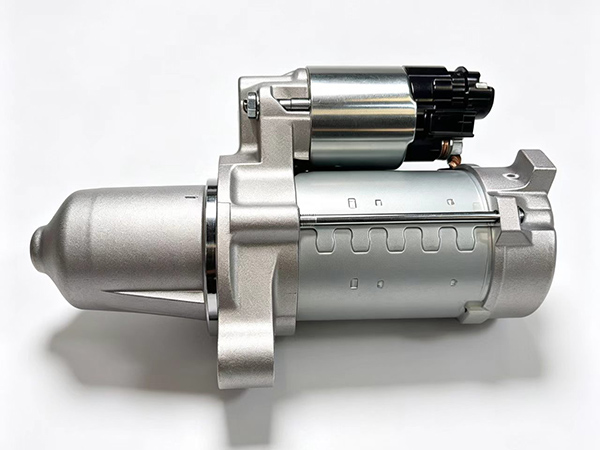
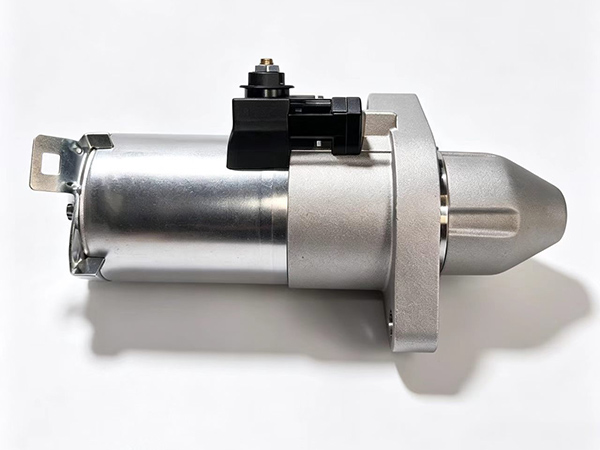
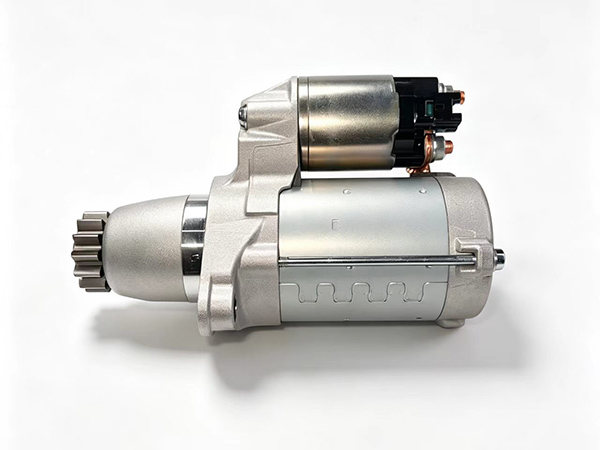
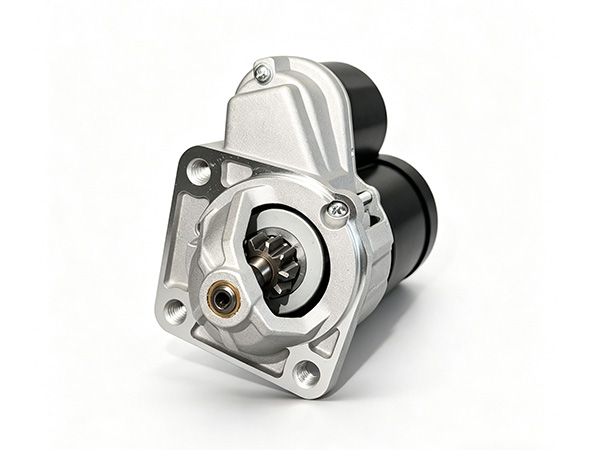
2026-09-02Installing a higher‑torque starter motor onto a stock standard engine is a frequently asked question among equipment repair shops and machinery operators.In theory,a high‑torque starter can crank the engine faster and deliver stronger rotating force,which sounds beneficial for cold‑weather starting and aged engines with increased internal resistance.However,simply upgrading to a higher‑torque unit is not always a safe or reasonable modification.It brings both potential benefits and hidden risks related to battery load,mechanical meshing,installation compatibility and overall system matching.Users should evaluate multiple practical conditions before making replacement decisions.
Under certain conditions,a higher‑torque starter is acceptable for a standard engine.For example,if the original starter shows insufficient cranking performance in cold climates,where thick engine oil creates large rotational resistance,a properly selected high‑torque starter can improve cold‑start reliability.It is also a practical solution for high‑mileage engines with slight internal wear and rising mechanical friction,without carrying out expensive engine overhauls.In these scenarios,high‑torque starters reduce the probability of slow cranking and startup failure,extending the service life of the starting system.Even so,the upgrade must follow preconditions:the physical mounting dimensions,pinion tooth profile,gear travel distance and voltage rating must be fully consistent with OEM specifications.Only the torque output is increased,while mechanical interface parameters cannot be altered.
Despite those advantages,mismatched high‑torque starters create obvious drawbacks and safety hazards.First of all,higher torque usually corresponds to greater instantaneous current draw.The original battery,cables and relay are designed for the factory‑specified starter.When the new starter demands far more peak current,the existing battery will drain faster.Old batteries may fail to supply enough power,leading to poor actual starting performance.Excessive current also causes cable overheating,melting insulation and even circuit fire risks.Many operators mistakenly believe higher torque equals better performance,ignoring the supporting capacity of the whole electrical system.
Secondly,excessive torque imposes mechanical threats to flywheel ring gear.The starter pinion transfers powerful driving force directly to flywheel teeth.If torque far exceeds the designed load limit of the standard flywheel,impact force during engagement will chip,crack or wear down ring gear teeth.Damaged flywheels require complicated and costly disassembly and replacement.Besides flywheel damage,abnormal shock may harm the overrunning clutch inside the starter itself.The overrunning clutch is designed to release after engine ignition.Over‑torque impact accelerates clutch slippage and premature failure,shortening starter service life significantly.
Another point cannot be overlooked:unnecessary cost and energy waste.If the standard engine is in good condition,the factory‑original torque already meets all regular startup requirements.A much higher‑torque starter brings zero practical improvement under normal temperature and working status.It increases purchasing cost and consumes extra battery power every startup,bringing no real‑world benefit.In some cases,over‑powered starters may crank the engine so rapidly that incomplete fuel combustion occurs at initial ignition phases.
If users intend to adopt higher‑torque starters,several practical principles should be followed.Keep the original system voltage unchanged,never switch between 12V and 24V.Confirm mounting flange,bolt spacing,pinion teeth number and engagement depth match OEM requirements.Upgrade battery and heavy‑gauge starter cables synchronously to handle higher peak current.Avoid choosing torque values greatly beyond the recommended upgrade range;moderate torque increase is preferred instead of extreme over‑specification.For engines in perfect original condition,sticking to factory‑standard starter remains the most reliable and cost‑effective option.
To conclude,higher‑torque starters can be fitted on standard engines under limited,well‑matched circumstances,mainly solving cold‑start and worn‑engine problems.Nevertheless,blind high‑torque upgrades without checking electrical capacity and mechanical limits will damage flywheel,battery and wiring systems.Every modification should balance actual working needs with whole‑system compatibility rather than blindly chasing higher torque parameters.
References
APA 7th Edition
Henderson,R.(2025).Performance risks of over‑rated starter motors for stock internal combustion engines.*Journal of Automotive Powertrain Components*,9(1),11‑24.
MLA 9th Edition
Henderson,Robert.“Performance Risks of Over‑Rated Starter Motors for Stock Internal Combustion Engines.”*Journal of Automotive Powertrain Components*,vol.9,no.1,2025,pp.11‑24,
GB/T 7714‑2015
[1]HENDERSON R.Performance risks of over‑rated starter motors for stock internal combustion engines[J].Journal of Automotive Powertrain Components,2025,9(1):11‑24.